Plumbing supply failures
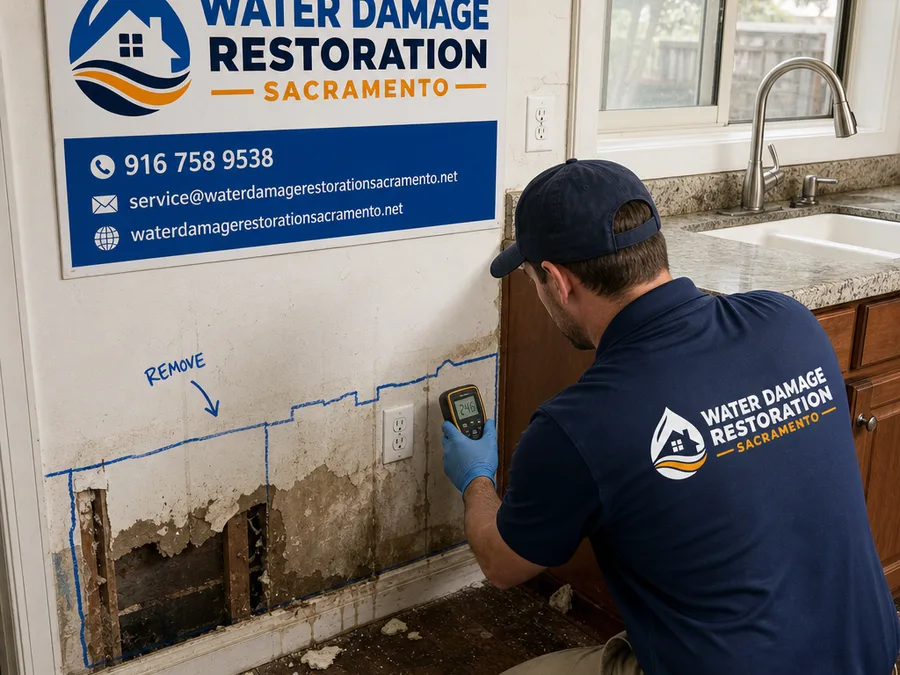
Pressurized line leaks and pinhole failures can soak cabinets and walls quickly, even when the visible puddle looks small.
Serving Sacramento, California & surrounding areas
24/7 Emergency Response
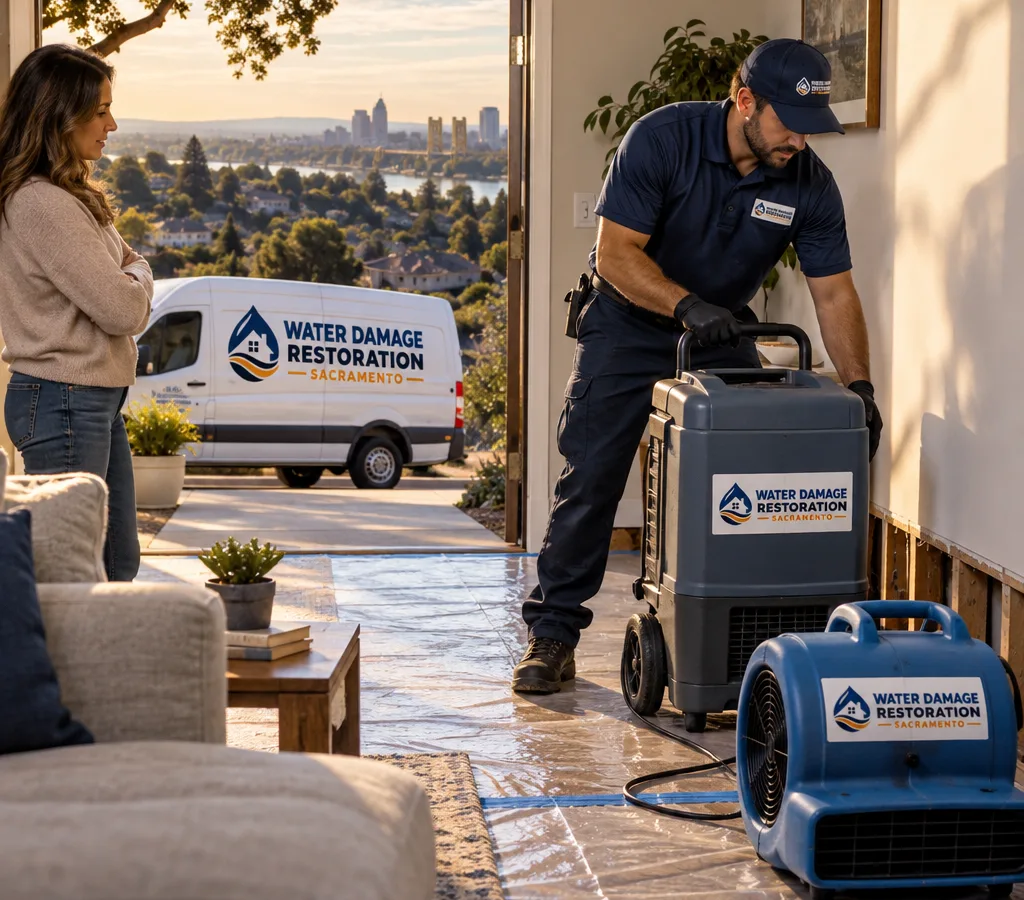
Water Damage Restoration · Woodland
When water gets into floors, drywall, or cabinets, the clock matters. We respond fast, extract standing water, set up professional drying, and document the loss so you can protect the property and move toward repairs with a clear plan.
Immediate Response
If you are dealing with water damage Woodland homes and businesses often see after a supply-line break, appliance leak, overflowing fixture, or storm water intrusion, the first priority is stopping spread into adjacent rooms. Water can wick under LVP and hardwood, migrate through wall cavities, and saturate insulation long before it shows at the surface.
Our team at Water Damage Restoration Sacramento provides rapid response service for Woodland property owners who need extraction, structural drying, and a repair-minded plan. We approach every loss the same way: verify the source is controlled, map moisture, remove what cannot be saved, dry what can, and keep you updated in plain language.
You will work with a structural drying team that regularly supports customers throughout the region, including jobs that require quick mobilization into Woodland when time-sensitive drying is needed.
Extraction and Drying
Water restoration is more than sucking up visible water. A complete water damage restoration Woodland project typically includes:
In Woodland and the Sacramento Valley, warm weather can speed evaporation but also increases humidity load inside a closed home. That is why dehumidification, containment, and measured airflow matter. Drying is managed with readings, not guesswork.
What We Address
Pressurized line leaks and pinhole failures can soak cabinets and walls quickly, even when the visible puddle looks small.
Dishwashers, fridge supply lines, washing machines, and water heaters can leak slowly for days or fail suddenly and flood adjacent rooms.
Toilet backups, tub overflows, and sink overflows often push water under flooring and into vanities, where drying requires access and careful removal.
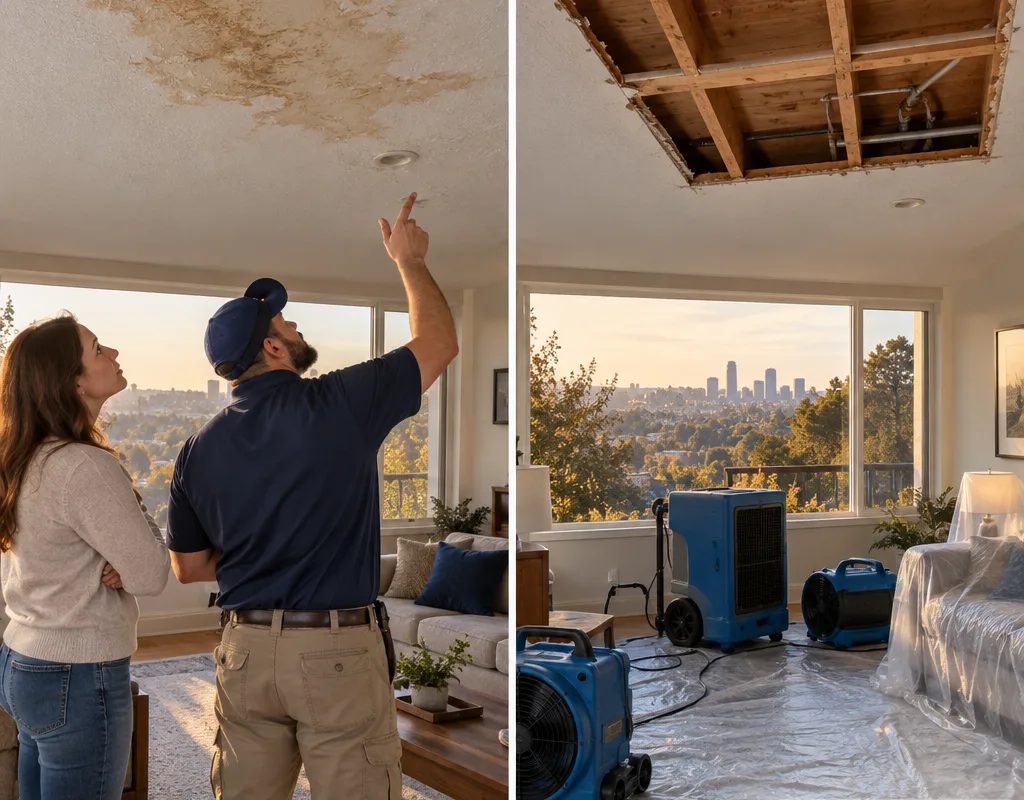
Wind-driven rain can enter around flashing, skylights, and older window seals and show up later as ceiling stains or bubbling paint.
Low spots, blocked drains, and heavy rain can move water toward garages and ground-level rooms, especially when thresholds are below grade.
Response Process
We confirm the water source is off or contained and identify electrical or slip hazards. If a plumber is needed, we coordinate so drying can start without delay.
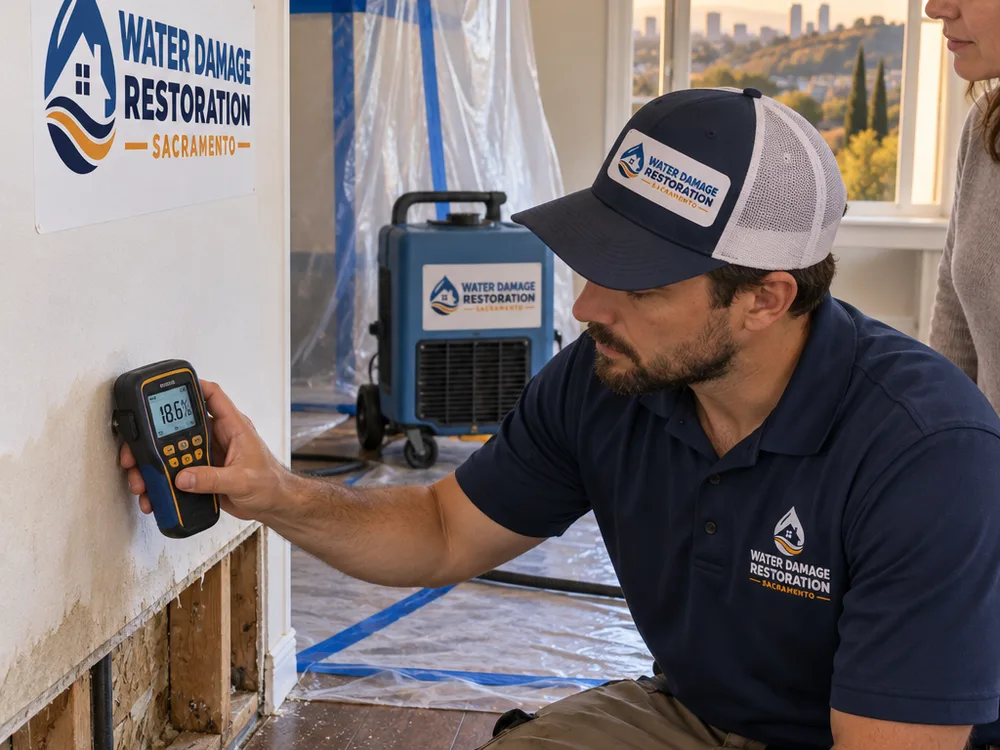
We check rooms above, below, and adjacent to the loss, then map moisture so you can see what is impacted beyond the visible wet area.
Standing water is removed first. When materials cannot dry in place safely, such as saturated pad or swollen particleboard, we remove them to open the assembly for drying.
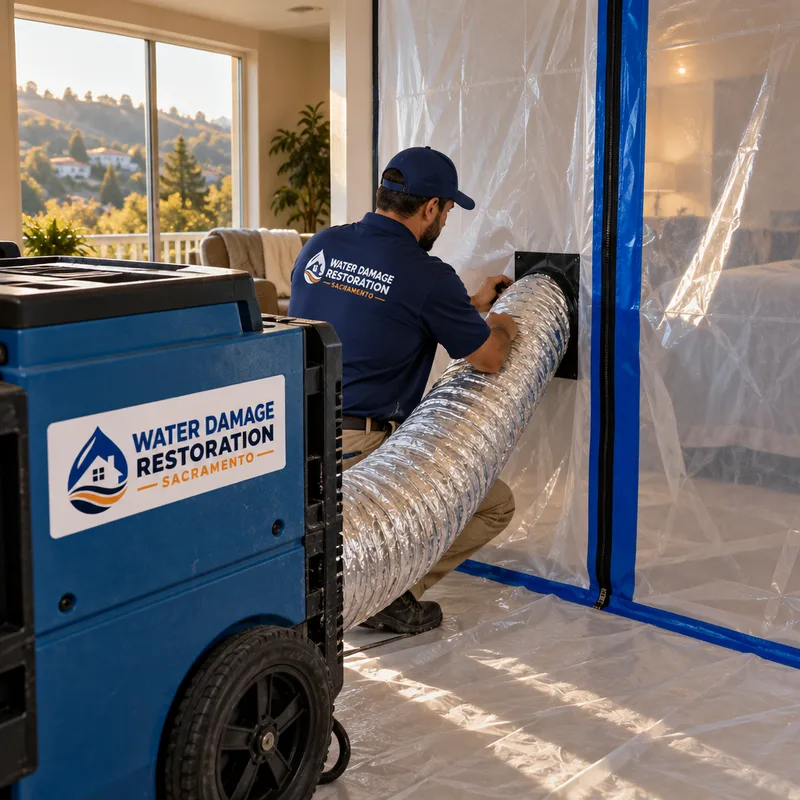
We place air movers and dehumidifiers based on readings and room geometry, then establish containment when needed to keep airflow and humidity where it belongs.
We track moisture content, temperature, and humidity and adjust equipment. Drying ends when materials reach acceptable levels, not when they “feel dry.”
Once dry, we outline what it takes to put the property back together, including materials that need replacement and steps to prevent repeat issues.
Cost Guidance
Water damage restoration in Woodland typically ranges from about $1,500 to $8,000 for many residential losses, with small contained incidents sometimes lower and large, multi-room or multi-story losses reaching $15,000+ when demolition and rebuild steps are extensive. A simple extraction and 2 to 3 days of drying is priced very differently than a loss that requires drywall cuts, flooring removal, and detailed cleaning.
Final cost depends on how far water traveled, material types such as hardwood, tile, or carpet, how long it sat, category or contamination level, equipment days, access, and what needs to be removed to dry correctly. Exact pricing is confirmed after an on-site inspection and moisture mapping.
On-Site Mitigation
Homeowner Experiences
“A supply line under our kitchen sink let go while we were out. The crew arrived fast, found moisture in the wall and under the flooring, and explained what had to be opened up versus what could dry in place. The daily check-ins helped a lot.”
“We had water show up in a downstairs ceiling after an upstairs bathroom issue. They used meters to map it out, set up drying, and kept the work area clean. It felt controlled instead of chaotic.”
Frequently Asked Questions
You should start the same day whenever possible because water spreads through flooring seams and wall cavities quickly. Even if the surface looks dry, trapped moisture can stay in pad, subfloor, and insulation, which raises the odds of odor and microbial growth. If you cannot start immediately, shut off the source, move valuables, and increase ventilation safely while you wait for a professional inspection.
Sometimes, but it depends on the product, how long it was wet, and whether water got beneath it. Floating laminate and many click-lock LVP systems can trap water on the subfloor, so drying often requires partial removal. Solid hardwood has a better chance in some situations, but cupping, buckling, and staining can still occur. Moisture readings and a controlled drying plan determine what is realistically salvageable.
Mitigation is the immediate work that stops ongoing damage: extraction, removal of unsalvageable materials, cleaning, and structural drying. Repairs are the rebuild steps that come after drying, such as new drywall, baseboards, paint, flooring, and cabinet work. Keeping these phases distinct helps you avoid rebuilding over moisture.
Yes, we document moisture readings, affected materials, equipment placement, and drying progress so the claim has clear technical support. Insurance requirements vary by carrier and policy, but consistent documentation and a written scope reduce back-and-forth and help align expectations on what is being dried, removed, and restored.
Many losses dry in about 3 to 5 days, but timelines change with material thickness, how far water traveled, and indoor humidity. Drywall, framing, and subfloors all dry at different rates, and wet insulation or trapped layers can extend the schedule. We monitor moisture and adjust equipment rather than guessing at an end date.
Often you can stay if the affected area is contained and utilities are safe, but it depends on the room impacted and the amount of demolition. Drying equipment is loud and runs continuously. If a kitchen, main bathroom, or large portion of the home is affected, temporary relocation can be more comfortable while drying and removal work is underway.
Start With an Inspection
Tell us what happened and what areas are wet. We will schedule an inspection, map the moisture, and give you a written plan for extraction, drying, and the next repair steps so you can protect the property and move forward.