Scope based on what is wet, not guesses
We use moisture checks and a room-by-room look at likely pathways so you get a written plan that matches the actual conditions.
Serving Sacramento, California & surrounding areas
24/7 Emergency Response
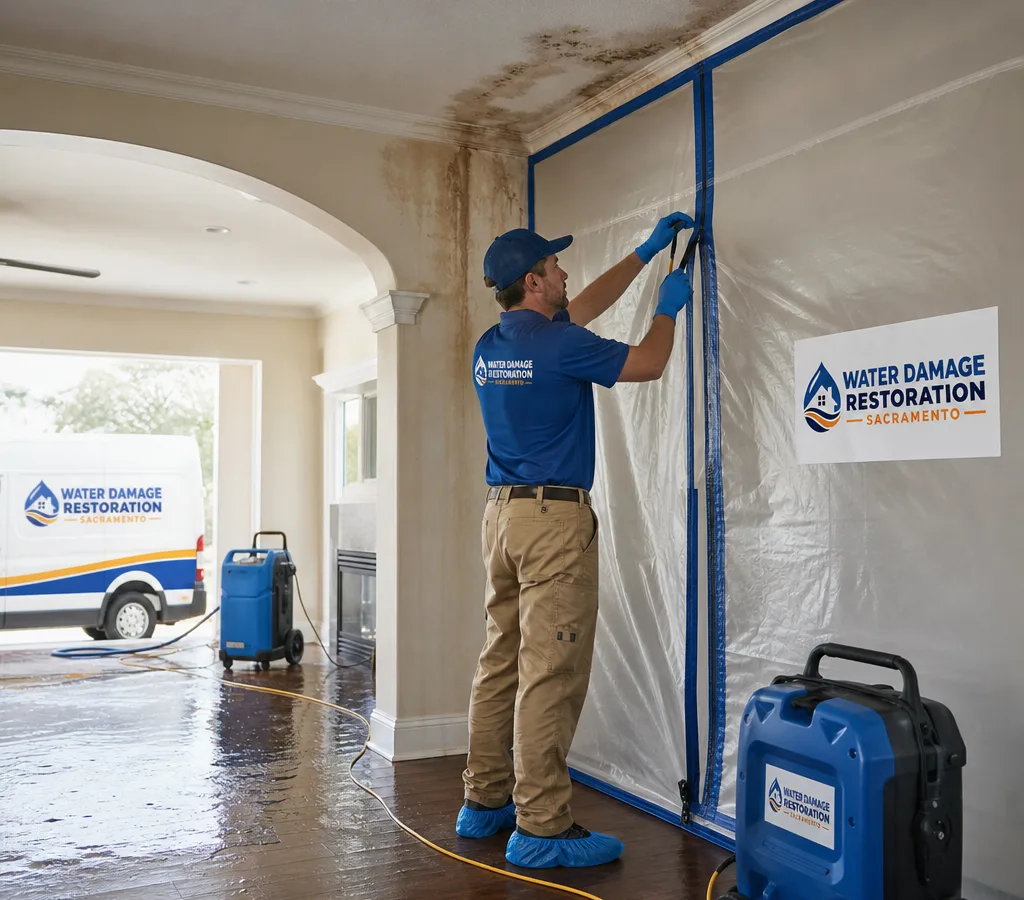
Mold Remediation · Sacramento
If you smell musty odors, see staining, or had a recent leak, we provide inspection-led removal and cleanup with clear containment, documentation, and next steps to make the space safe again.
Immediate Response
Sacramento mold remediation works best when the first step is a real assessment, not a spray-and-go approach. Mold is a symptom of moisture, so removal without correcting the moisture source often leads to the same spots returning.
If you are dealing with mold in Sacramento, start with three practical checks:
Water Damage Restoration Sacramento provides Sacramento mold remediation for homes and small commercial spaces. We focus on controlled containment, removal of affected materials when needed, and detailed cleanup so you can move forward with a clear plan.
Assessment and Cleanup
A proper mold job is more than wiping a surface. Mold can be on the face of materials and inside porous building components, and the work has to prevent cross-contamination.
Most Sacramento mold removal projects include:
If the mold is connected to an active leak, many clients start with broader water damage restoration to stabilize the structure and contents, then proceed with remediation once the source is controlled.
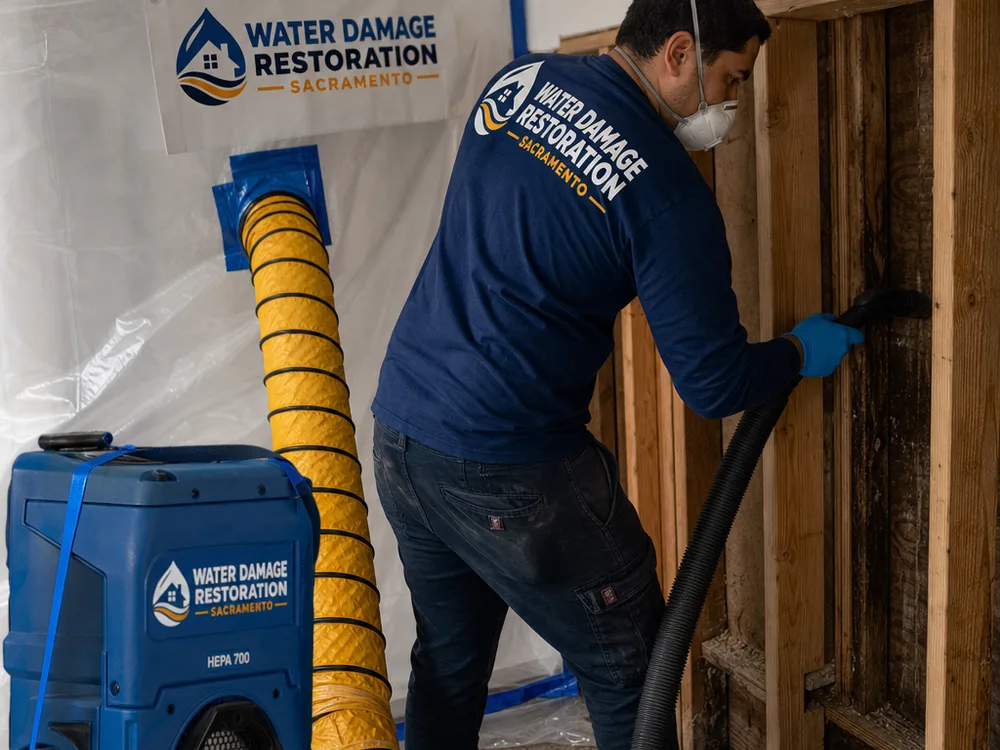
Operational Safeguards
We use moisture checks and a room-by-room look at likely pathways so you get a written plan that matches the actual conditions.
We set up barriers and filtration before disturbing damaged materials, which helps keep mold from spreading to clean rooms.
Non-porous surfaces can often be cleaned, while porous materials sometimes need removal. We explain the why so the decision is straightforward.
After cleanup, we outline what needs to be rebuilt—drywall, trim, or flooring—and what should be dry before finishes go back in.
We plan for Sacramento’s hot summers and cooler, wetter stretches when indoor humidity and closed-up homes can make odors and growth show up faster after a leak.
Sacramento Property Context
Mold can show up anywhere moisture lingers, but the work can look different depending on the building and how the space is used.
Request Emergency ServiceIf you are not sure whether you need cleanup, a test, or a bigger tear-out, we can start with an inspection and talk through what would actually change the outcome.
Remediation Process
We identify visible growth, musty odor sources, and moisture patterns, then outline the rooms and materials involved so the scope is specific.
We isolate the work zone with plastic barriers and protect flooring and pathways used for equipment and debris removal.
When drywall, insulation, carpet pad, or other porous materials are affected, we remove and bag them in a controlled way to reduce spore spread.
We HEPA vacuum and clean framing, subfloors, and other exposed materials within containment, focusing on physical removal rather than masking odors.
If building materials are still damp, we set drying and dehumidification so the space can return to stable conditions before repairs begin.
We review what was done, what was removed, and what comes next. If you want third-party clearance testing, we coordinate its timing around the completed cleanup.
Cost Guidance
Sacramento mold remediation typically ranges from about $1,500 to $6,500+, with small, contained cleanups often closer to $1,500 to $3,000 and larger jobs with demolition, multiple rooms, or HVAC involvement commonly landing higher. The final price depends on the affected square footage, how hard it is to access—such as an attic, crawl space, or area behind cabinets—the level of containment needed, and how much wet material must be removed and dried. Exact pricing is confirmed after an on-site inspection and a written scope.
Request Emergency ServiceHomeowner Experiences
“We had a musty smell after a bathroom leak and found mold behind the baseboard. The crew isolated the room, removed the damaged drywall, and kept dust out of the hallway. The explanation of what had to go and what could stay made it easier to approve the work.”
“They treated it like a real cleanup, not just spraying something over stains. The containment setup was solid and they showed us moisture readings before and after drying.”
Frequently Asked Questions
Small surface spots on non-porous materials can sometimes be cleaned, but mold that involves drywall, insulation, carpet pad, or hidden cavities is usually a professional job because disturbance can spread spores and the moisture source has to be confirmed. If you smell odor inside a wall, see bubbling paint, or had a recent leak, an inspection is the safest starting point.
Drywall removal is needed when it is colonized, remains wet, or has growth on the back side where it cannot be cleaned effectively. If the issue is limited to surface growth on non-porous material, removal may not be necessary. The decision comes down to material type, how long it stayed wet, and what is accessible for proper cleaning.
Many projects take 1 to 3 days for containment, removal, and detailed cleaning, but drying time can add days depending on how wet the structure is and whether equipment must run longer. We give a schedule estimate after seeing the affected areas and determining what materials are staying versus being removed.
Containment is a sealed work zone made with plastic barriers and controlled airflow so spores and dust stay in the work area instead of moving through the home. For a bedroom, hallway, or bathroom, it often includes a zipper door and HEPA filtration running during demolition and cleaning.
We can start with an inspection and moisture evaluation to define the remediation scope, and many clients choose third-party air or surface sampling if they want independent results. After cleanup, verification commonly includes visual confirmation and moisture targets; if you want a post-remediation test, timing is set after the work area is clean and dry.
Yes, if materials are still damp, drying is often part of the remediation plan because moisture can cause regrowth even after cleaning. When the source is a pipe leak, appliance overflow, or roof intrusion, stabilizing the moisture quickly can reduce how much material has to be removed.
If you want to know what is driving the smell or staining, the next step is a straightforward inspection and a written scope that spells out containment, removal, and drying needs before any work starts.
Call for Emergency HelpStart With an Inspection
Tell us what you are seeing—where it is, when it started, and whether there was a leak. We will schedule an on-site evaluation and walk you through the safest, most direct way to get the area clean and dry.