Smoke odor that keeps coming back
Persistent odor usually means soot remains in porous materials, the HVAC system, or hidden cavities. We identify odor reservoirs and treat them directly, not just the air.
Serving Sacramento, California & surrounding areas
24/7 Emergency Response
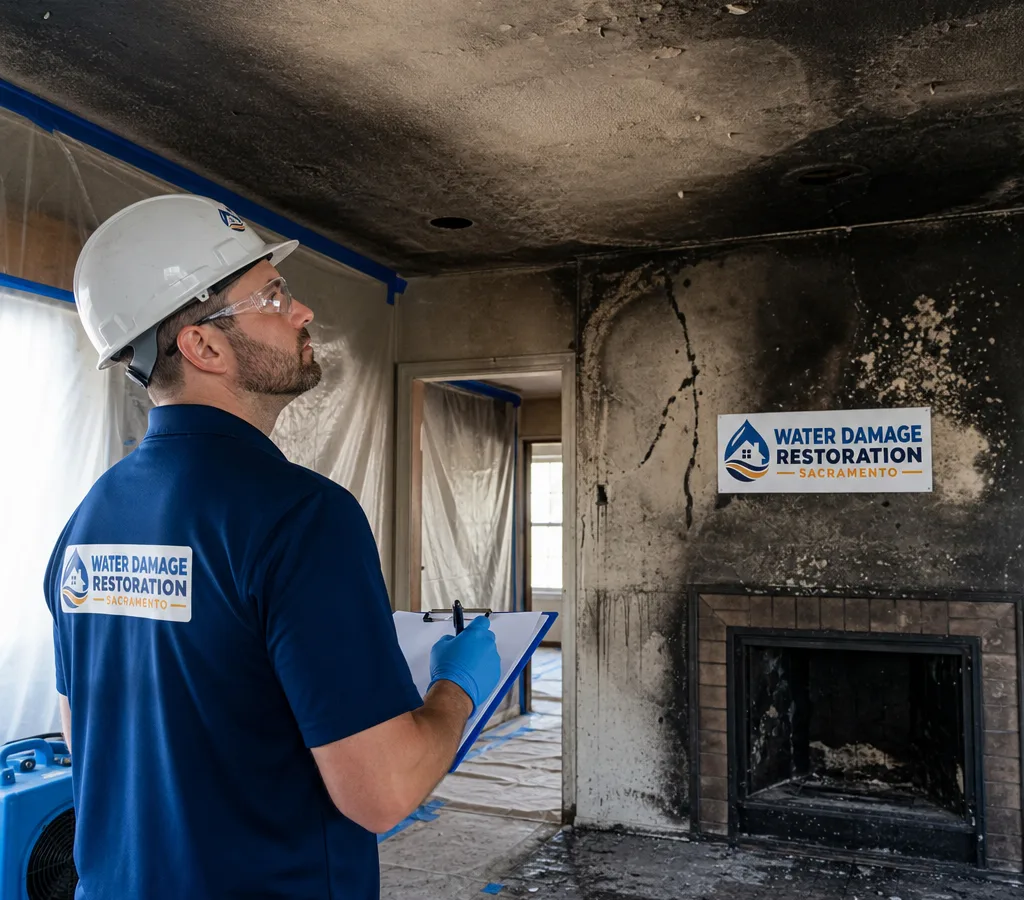
Fire Damage Restoration · Sacramento
After a fire, the next steps matter. Get careful cleanup, smoke odor control, and a clear restoration plan that protects your home or business and supports your insurance claim.
Immediate Response
Fire damage rarely stops at what you can see. Soot embeds into porous surfaces, smoke odor travels through HVAC pathways, and water used to put the fire out can soak framing, drywall, and flooring. Fire damage restoration Sacramento work needs to address all of it in the right order so you do not end up with lingering odor, corrosion, or hidden moisture problems later.
Water Damage Restoration Sacramento provides fire restoration for residential and commercial properties in Sacramento, CA. We focus on practical, on-site problem solving: securing the structure, documenting the loss, removing damaged materials safely, cleaning soot and residues with the correct chemistry, drying affected assemblies, and coordinating the rebuild scope.
Sacramento property types vary. Older housing in neighborhoods like East Sacramento and Land Park can have original plaster, lath, and dense wood trim that soot clings to. Midtown often has tight access and shared walls where odor control and containment are critical. Natomas commonly has newer HVAC layouts where smoke can spread quickly through returns and ductwork. In Arden-Arcade, mixed construction styles mean every inspection starts with verifying what is behind the finishes before deciding on cleaning versus removal.
Cleanup and Restoration
A complete restoration is more than a surface wipe-down. The goal is to return the property to a safe, clean, odor-free condition while preventing secondary damage.
Typical fire damage restoration service includes:
Sequencing matters. Deodorizing before removing charred materials often wastes time and leaves odor sources behind. Likewise, painting over smoke staining without the right prep and sealers can cause bleed-through later.
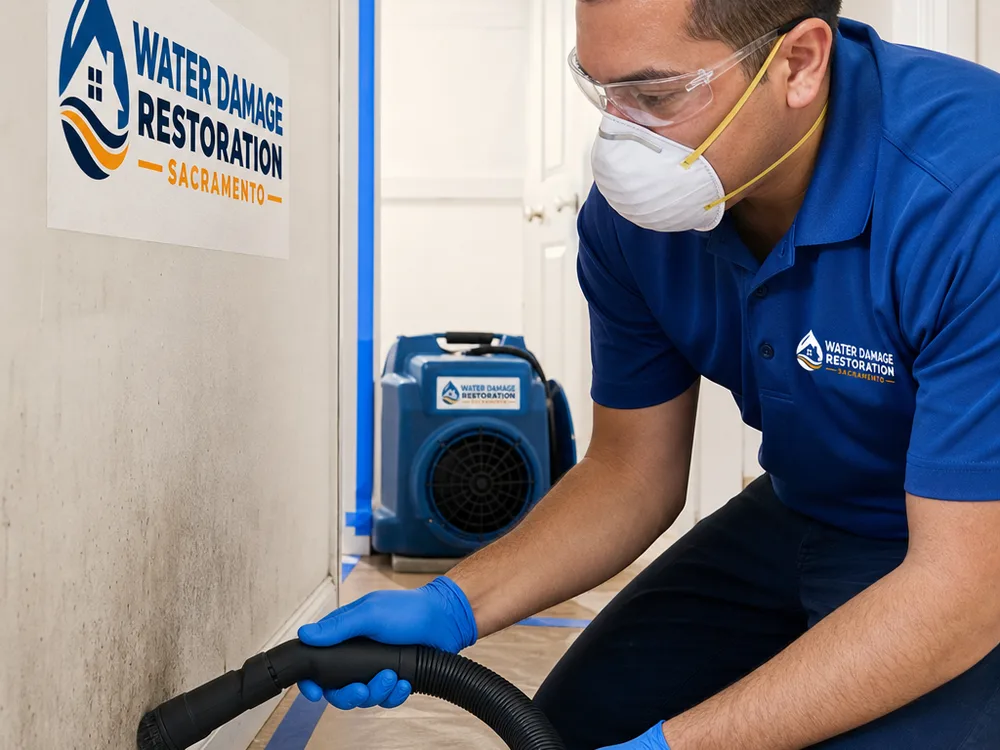
Damage We Address
Persistent odor usually means soot remains in porous materials, the HVAC system, or hidden cavities. We identify odor reservoirs and treat them directly, not just the air.
Soot can smear and set if it is cleaned with the wrong method. We choose dry cleaning, wet cleaning, or specialized sponges based on residue type and surface.
Smoke residues are acidic and can start corrosion quickly on appliances, fixtures, and wiring components. Early cleaning and controlled humidity help reduce losses.
Water used to extinguish the fire can soak subfloors and wall cavities. We extract, map moisture, and dry with dehumidifiers and air movement to protect the structure.
Textiles, hard goods, and personal items often need separate handling. When on-site cleaning is not practical, we can coordinate inventory and off-site cleaning options.
After mitigation, the rebuild scope should be specific: what is being removed, what is being replaced, and what finishes are included. We help document that scope so the project can move forward.
Restoration Process
We start by identifying hazards and defining what areas are safe to enter. If utilities need to be coordinated, we plan that first so cleanup can proceed safely.
We photograph affected areas, note building material conditions, and create a written scope for cleaning, demolition, and drying. This reduces guesswork during adjuster review.
We set containment when needed and run air scrubbers to reduce airborne particles. Unsalvageable materials are removed and bagged out to limit soot spread.
We clean surfaces using methods matched to residue type. Odor control targets the source materials and cavities, then we verify results room by room.
If the structure is wet, we extract water, deploy drying equipment, and track moisture levels until materials reach appropriate dry standards for repair.
Once mitigation is complete, we confirm what can stay, what must be replaced, and what prep is required before repairs. You receive a clear plan for the next phase.
Cost Guidance
Fire damage restoration in Sacramento typically ranges from about $3,000 to $25,000+, depending on how many rooms are affected, how much demolition is required, and whether there is significant smoke odor and water damage. A small, contained incident in one room may fall on the lower end, while whole-home smoke contamination or structural fire loss pushes costs higher.
Price drivers include residue type—dry versus oily soot—ceiling height and access, HVAC contamination, contents handling, testing or special cleaning needs, and the amount of rebuild work after mitigation. The exact cost is confirmed after an on-site inspection and a written scope.
Homeowner Experiences
“The smell was the hardest part. They explained what would and would not work, cleaned the soot without spreading it to the rest of the house, and the odor was finally gone after their treatment plan.”
“They documented everything carefully for the adjuster and kept the job moving. The crew showed up when they said they would and left the place stable and clean for the rebuild.”
Frequently Asked Questions
Fire restoration should start as soon as the property is released for entry, because soot residues are acidic and can begin staining and corroding surfaces quickly. In Sacramento, heat and low humidity can also bake odor into porous materials, so early containment, HEPA filtration, and proper cleaning help reduce long-term odor issues.
Smoke odor can usually be removed when the source materials are cleaned, removed, or sealed correctly, and the air is treated with the right method for the situation. The key is identifying where the odor is held—drywall paper, insulation, framing, soft goods, or HVAC pathways—and not relying on masking sprays.
It depends on the affected area, air quality, and whether utilities are safe to use, but many projects require at least partial relocation during demolition and heavy cleaning. We can help you understand which rooms can remain isolated and when the property is ready for normal occupancy.
Yes. We provide photos, moisture and condition notes when relevant, and a written scope so the adjuster can review what is needed. In most claims, clear documentation of what is salvageable versus what requires removal speeds up approvals and avoids scope gaps.
If it is safe and permitted to enter, avoid disturbing soot because dry wiping can smear it, limit HVAC use to reduce spread, and keep doors to affected rooms closed. If you have already had a water loss from firefighting, mentioning any standing water or wet carpeting helps us plan extraction and drying equipment.
Small losses may take a few days for cleaning and odor treatment, while larger losses with demolition, drying, and extensive smoke contamination can take weeks. The timeline is driven by how far smoke traveled, whether wall cavities and insulation are impacted, and how much rebuild work follows mitigation.
Yes. Fire restoration focuses on soot and odor control, while water cleanup focuses on drying assemblies to prevent material damage and microbial growth, and many fire jobs require both approaches. If you are dealing with significant wet materials, our broader water damage restoration work covers extraction, dehumidification, and moisture verification that often supports the overall fire recovery plan.
Start With an Inspection
Tell us what happened, what areas are affected, and whether there was water used to put the fire out. We will schedule an inspection, document the damage, and give you a written scope with practical next steps for cleanup and restoration in Sacramento.