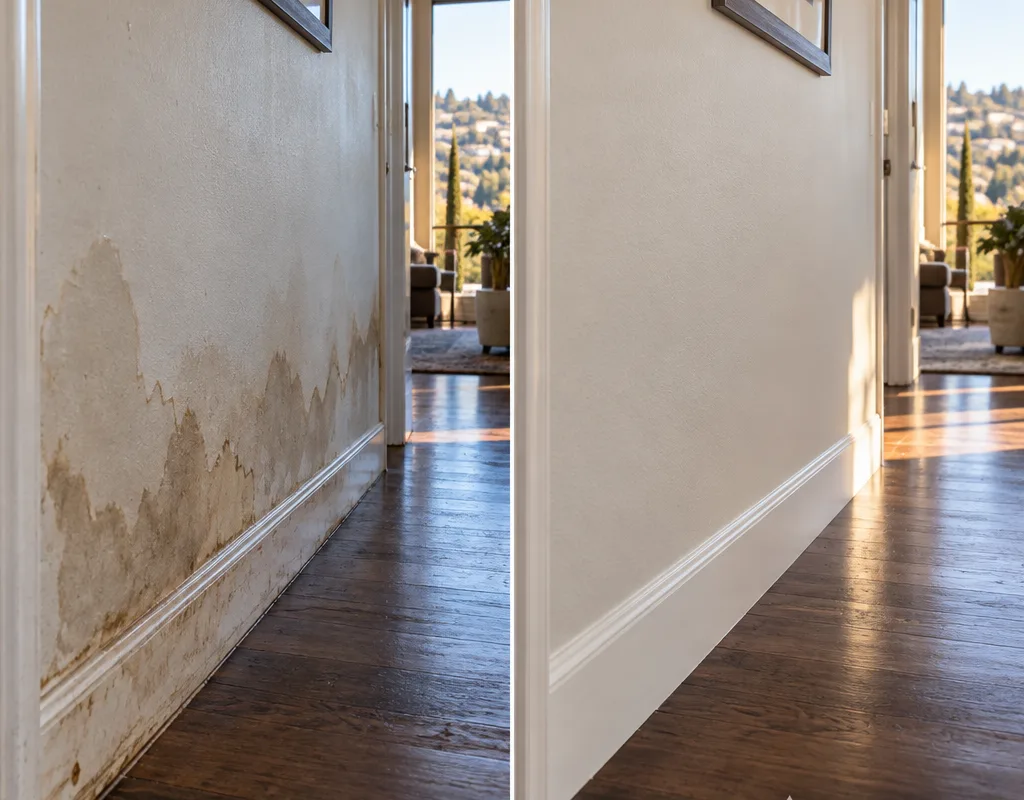
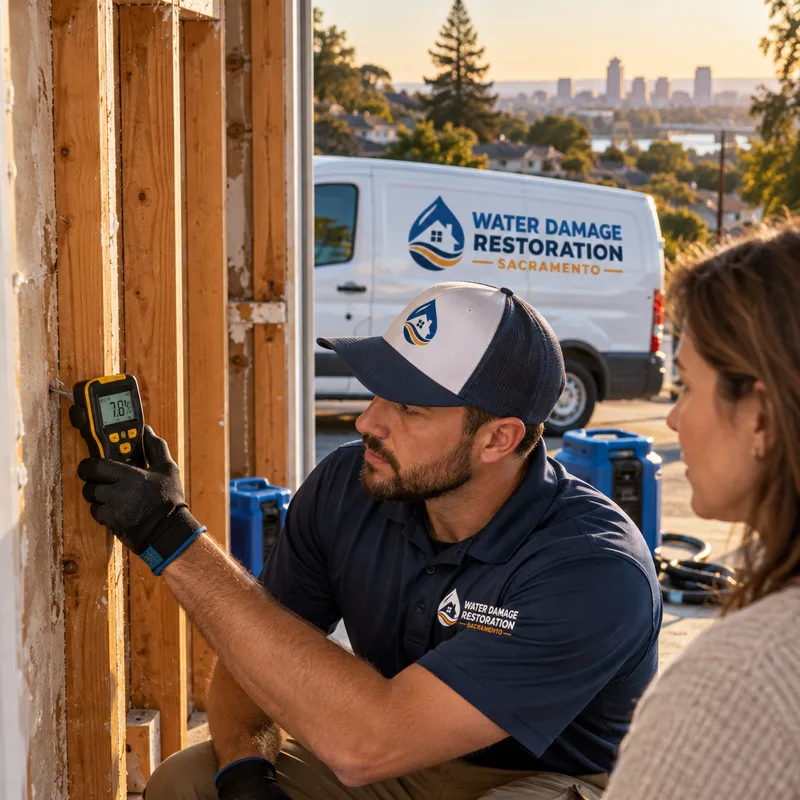
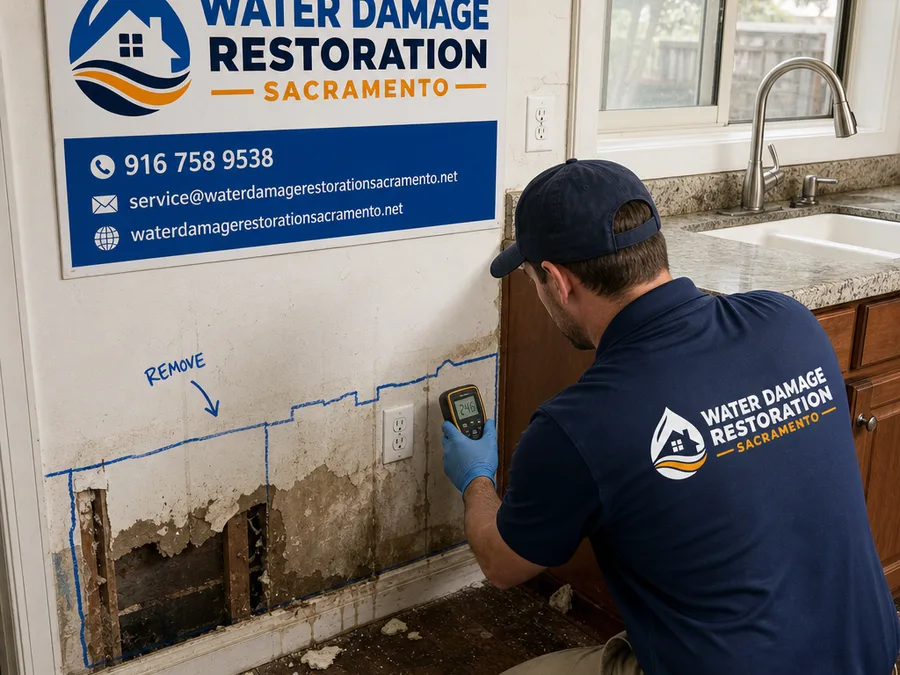
Moisture mapping, not guesswork
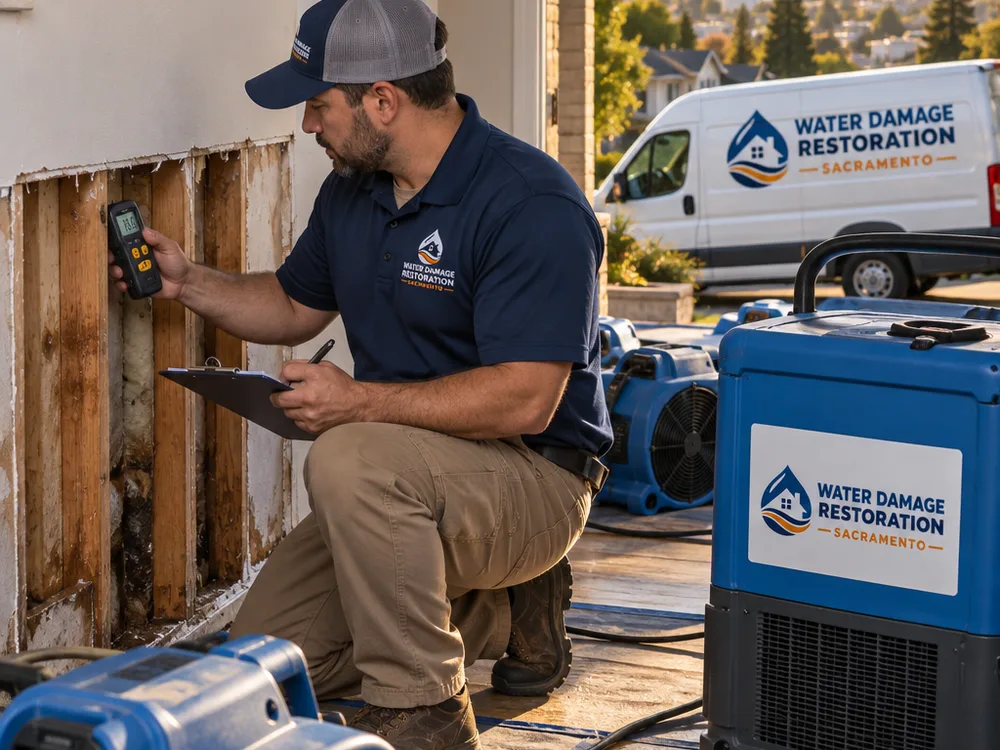
We measure moisture in drywall, framing, and flooring so drying equipment is placed based on readings, not just what looks wet.
Serving Sacramento, California & surrounding areas
24/7 Emergency Response
Water Damage Restoration · Roseville
Fast response for leaks, floods, and burst pipes. We locate moisture, dry the structure, remove damaged materials, and document the work so you can get back to normal sooner.
Immediate Response
When you are dealing with water damage in Roseville, CA, speed and the right drying plan matter more than almost anything else. Water wicks into drywall, baseboards, insulation, and flooring fast. If moisture is left behind, it can swell wood, loosen tile, stain materials, and create mold-friendly conditions.
Our team handles water damage restoration in Roseville with an inspection-first approach: we identify where the water traveled, measure moisture levels, and set up professional drying equipment sized to the affected area. Water Damage Restoration Sacramento is based in Sacramento (95816), and as our Sacramento company we regularly serve nearby communities that need reliable response and straightforward communication.
You will get a clear scope before removal starts, plus updates as drying progresses. If the situation is urgent, we can help you stabilize the loss, then move into full restoration work once the property is safe and dry.
Assessment, Drying, and Repair
Most projects follow the same core phases, even though each loss is different.
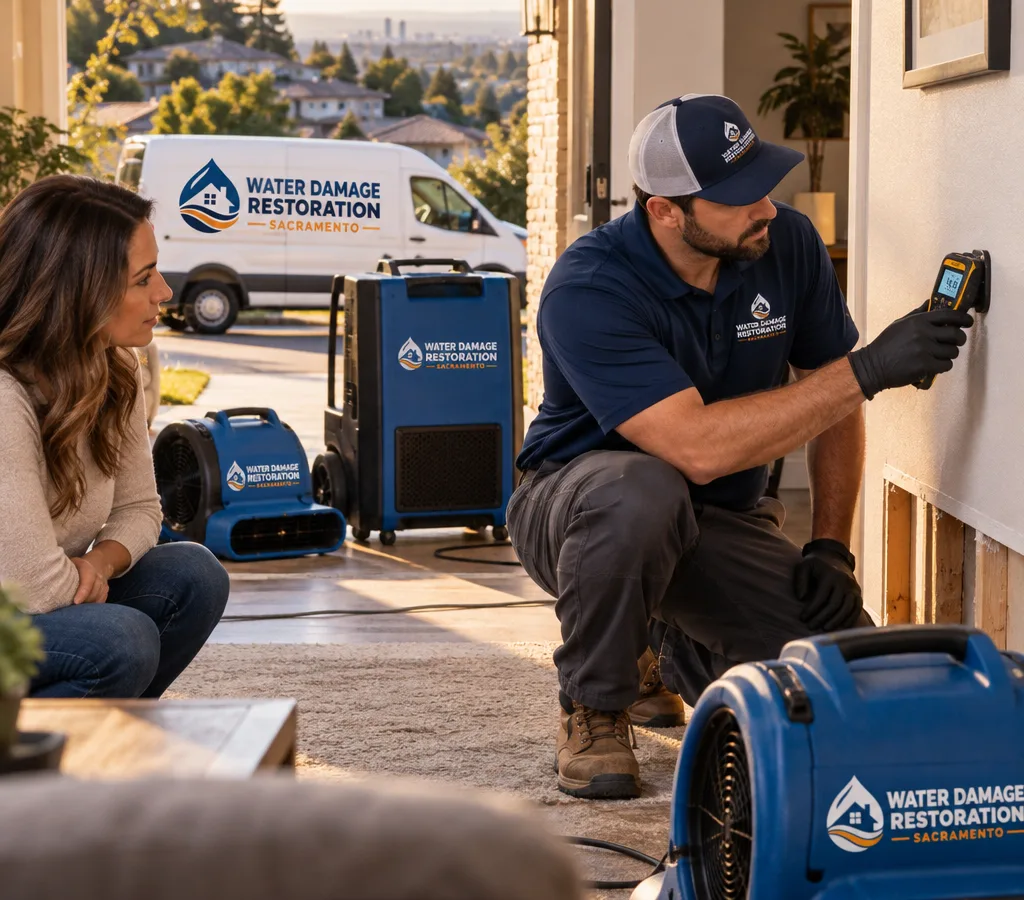
First, we stop the source when possible (or coordinate with a plumber if a pipe or supply line failed) and protect unaffected areas. Next comes water extraction for any standing water. After that, drying and dehumidification begin. We place air movers and dehumidifiers, then monitor with moisture meters and, when helpful, thermal imaging to track what is still wet behind surfaces.
If materials are unsalvageable, we remove them in a controlled way: typically wet drywall, insulation, swollen trim, and sometimes sections of flooring. For category 2 or category 3 water (gray or black water), the work includes more aggressive cleaning steps and containment practices because porous materials usually cannot be saved.
Once drying targets are met, restoration can move into repairs like drywall replacement, texture, paint, baseboards, and flooring transitions. The goal is simple: dry the structure correctly first, then rebuild so the finished result does not hide trapped moisture.
Operational Safeguards
We measure moisture in drywall, framing, and flooring so drying equipment is placed based on readings, not just what looks wet.
Air movers and dehumidifiers are set up to dry materials without blowing debris through the home, with adjustments as conditions change.
If saturated materials cannot be restored, we remove only what is required to reach dry standards and allow proper rebuild.
Photos, moisture logs, and a written scope help you understand what was affected and why certain materials must be replaced.
We handle homes, apartments, and small businesses where time and access constraints require an organized plan.
Restoration Process
We look for electrical risks, contaminated water conditions, and how far water traveled. We document the starting condition and explain what happens next.
We extract standing water, set initial equipment, and take steps to prevent additional damage while drying begins.
We place dehumidifiers and air movers, then track progress with moisture readings. Equipment is adjusted as materials dry.
When drywall, insulation, trim, or flooring cannot be saved, we remove affected sections to expose wet cavities and prevent hidden moisture.
After drying is verified, we prepare the area for repairs. If repairs are part of the scope, we rebuild to a clean, finished surface with proper transitions.
Cost Guidance
Water damage restoration in Roseville typically ranges from about $1,500 to $7,500 for many residential losses, with major multi-room or contaminated-water projects reaching $10,000+ depending on demolition and rebuild. Small localized leaks with minimal removal often fall on the low end, while burst pipes, saturated flooring, and cabinet or drywall replacement raise costs.
Final price changes with the class/category of water, how long materials stayed wet, square footage affected, access (crawlspaces and tight bathrooms take longer), and what must be removed and rebuilt. The exact cost is confirmed after an on-site inspection and a written scope.
Homeowner Experiences
“A supply line leaked under our sink and soaked the cabinet and floor. They showed us the moisture readings, explained what had to come out, and kept checking progress until it was actually dry. The rebuild matched the original trim and paint really closely.”
“We had water come in from a laundry overflow and the smell started fast. The team got equipment in place the same day and the daily updates made it easy to understand what was happening and when we could use the room again.”
Frequently Asked Questions
Start drying immediately, ideally the same day, because moisture spreads into drywall, trim, and flooring quickly. Even if you can mop up visible water, wet materials can stay saturated underneath and in wall cavities. A professional visit focuses on moisture detection, extraction, and placing dehumidifiers and air movers where they will actually dry the structure.
Some materials can be restored, but only if moisture readings show they can be dried to an acceptable level. Drywall that is swollen, crumbling, or contaminated usually needs removal, while certain hard surfaces may be salvageable after controlled drying and cleaning. The decision is based on material type, how long it was wet, and whether the water was clean, gray, or black.
Clean water (category 1) comes from a sanitary source like a broken supply line, while category 2 and category 3 water carries contaminants (for example, washing machine discharge or sewage). Contaminated water changes the scope because porous materials are often not safe to dry and reuse, and cleaning steps become more intensive. We explain the category on-site and document what it means for removal and disinfection.
Drying commonly takes 3 to 5 days, but the timeline depends on how far water traveled, the materials affected, and whether cavities are opened for airflow. Thick materials, multiple layers, and hidden wet areas can extend the process. We monitor with moisture readings and adjust equipment until targets are met.
If it is safe, stop the water source and shut off power to affected areas where water is near outlets or fixtures. Move small valuables and electronics out of wet areas, and avoid running HVAC if it is pulling humid air through the home. Take a few photos for your records, then leave wet materials in place so we can track the water path and moisture levels accurately.
Yes, we provide the practical documentation that supports decisions: photos, moisture readings, and a written scope of what was affected and what work is required. Insurance coverage depends on your policy and the cause of loss, but clear records help speed up adjuster decisions and reduce back-and-forth on drying time and material replacement.
Start With an Assessment
Tell us what happened and what areas are wet. We will schedule an on-site assessment, map the moisture, and give you a clear plan for drying and repairs.