Moisture mapping and written scope
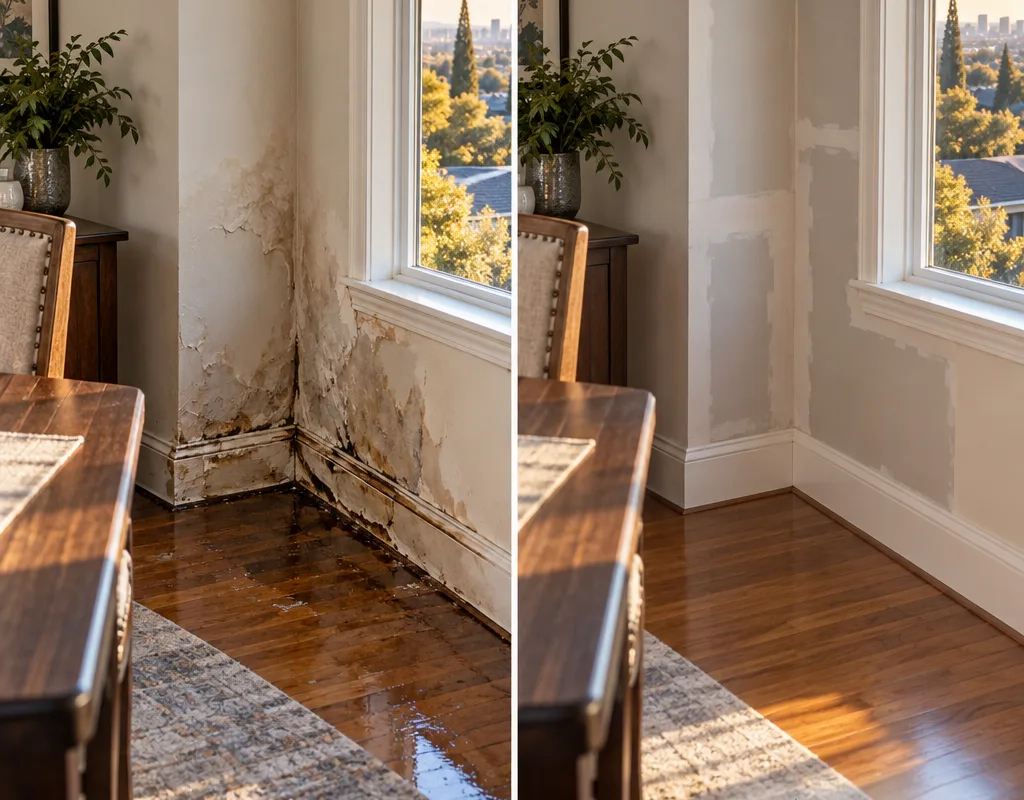
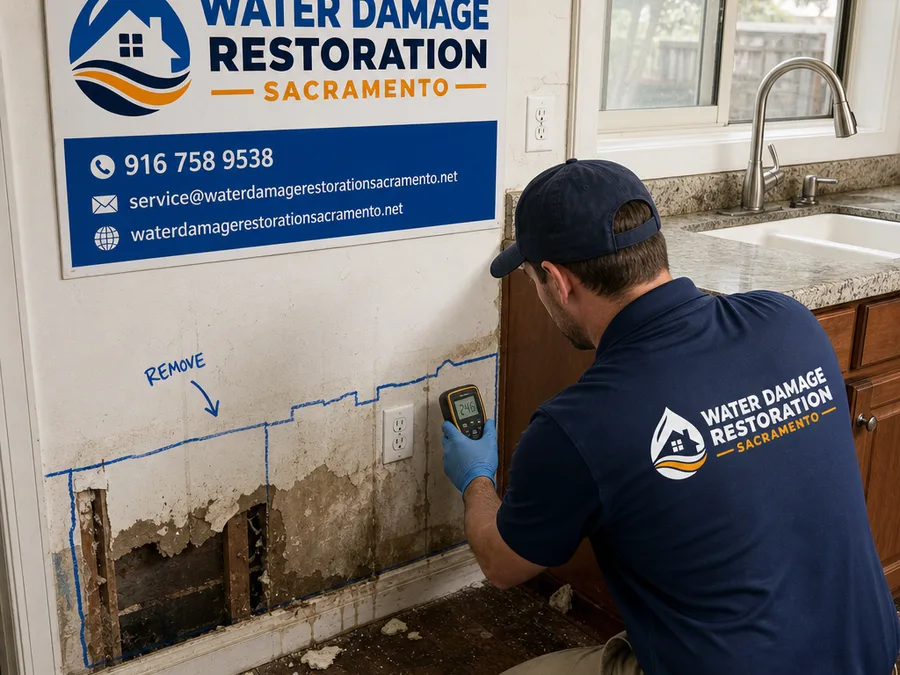
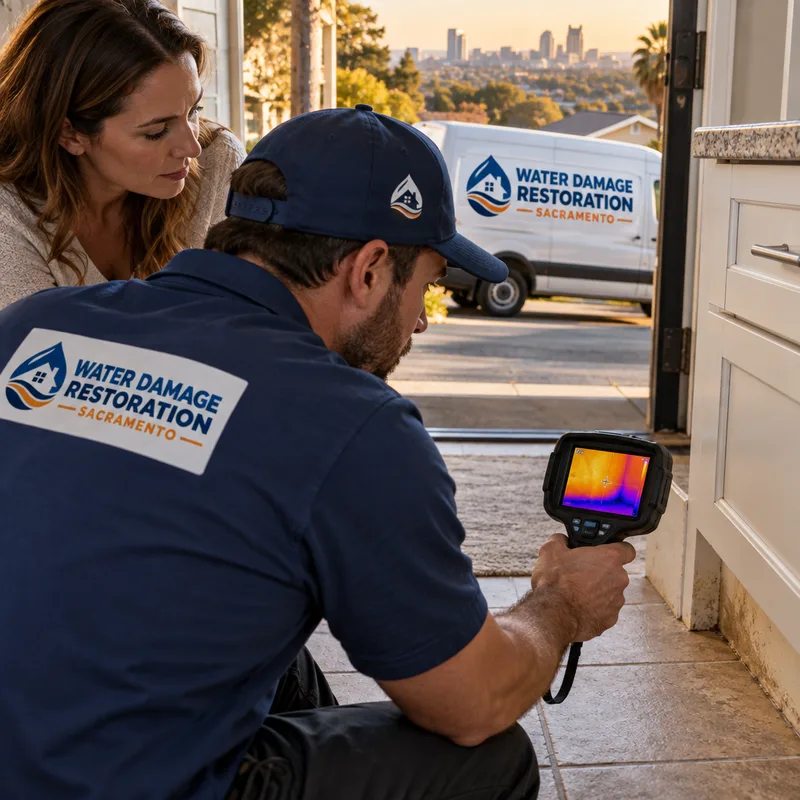
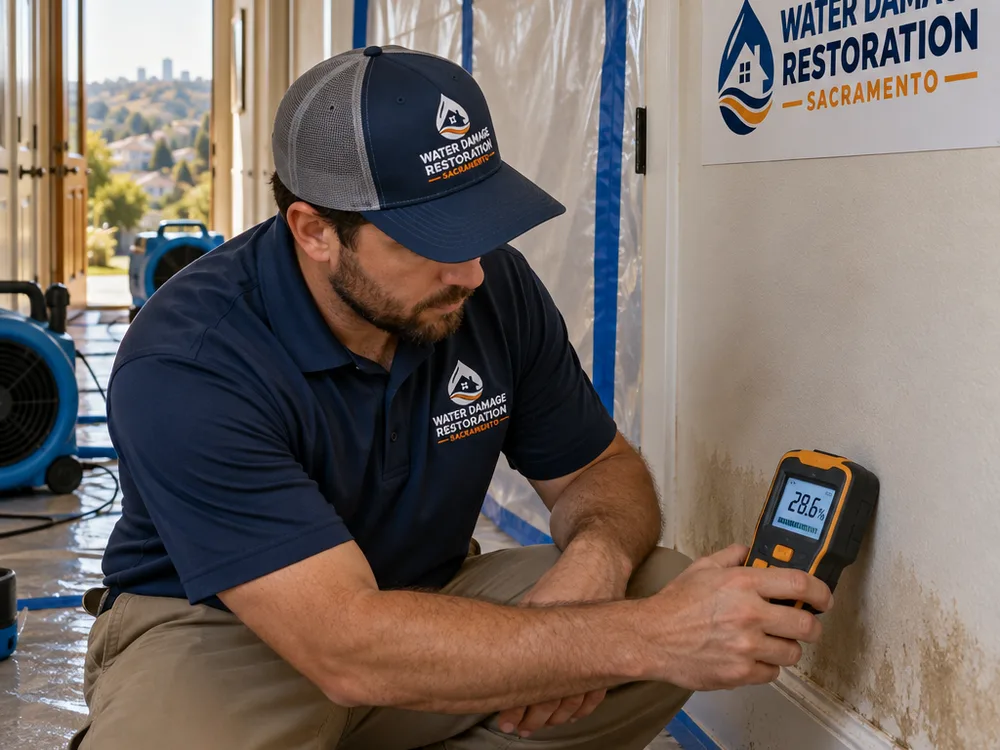
We identify where water traveled, including behind baseboards and under flooring, and explain what needs to be removed, dried, and monitored so you can make decisions quickly.
Serving Sacramento, California & surrounding areas
24/7 Emergency Response
Water Damage Restoration · Rocklin
Rapid response for cleanup, structural drying, and repairs after leaks, floods, and backups. Get a clear plan, documented moisture readings, and help coordinating next steps with your insurance.
Immediate Response
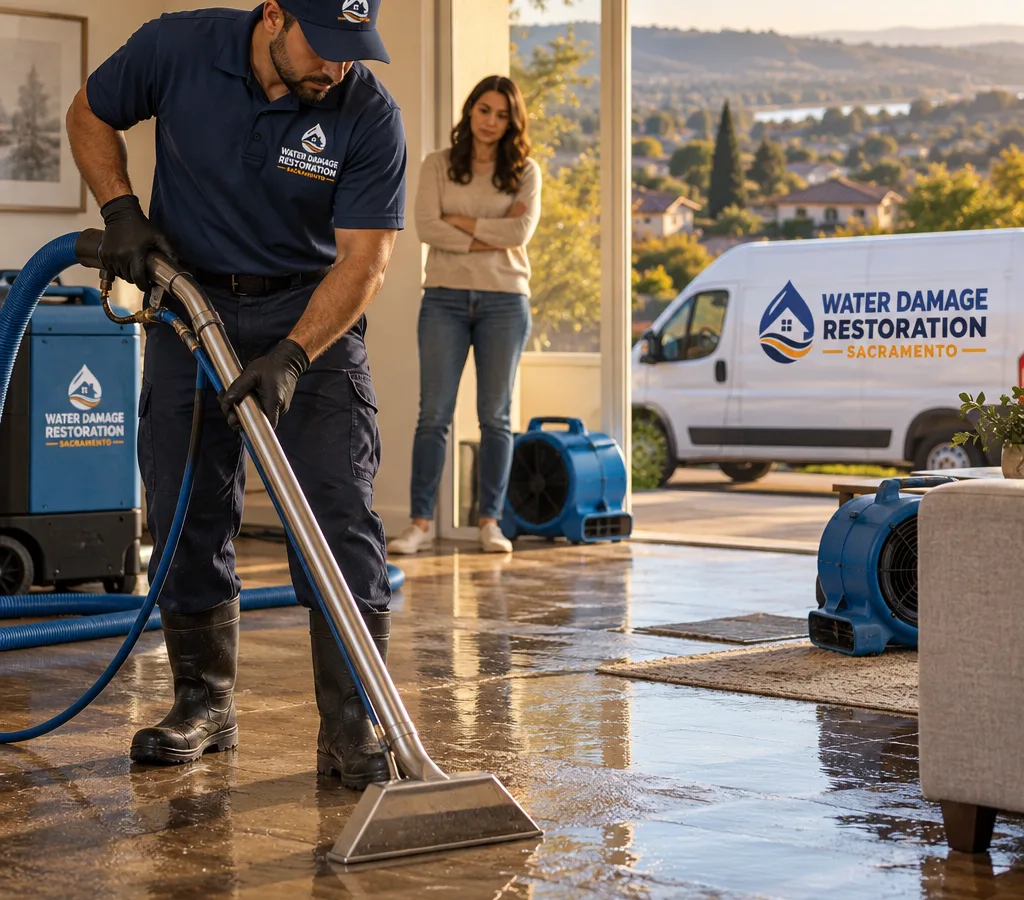
If you are dealing with water damage in Rocklin, the priority is stopping the source, removing standing water, and drying the structure before moisture spreads into walls, flooring, cabinets, and insulation. Our team focuses on practical containment and measurable drying: we map affected areas, pull baseboards as needed, and track progress with moisture meters so drying is based on readings, not guesswork.
Water Damage Restoration Sacramento brings the same field-ready approach we use as water damage restoration experts around Sacramento to Rocklin: responsive dispatch, straightforward communication, and documentation that helps when an adjuster or property manager needs a clear record of what was wet and what was done.
We handle water damage Rocklin CA projects caused by supply-line leaks, water heater failures, appliance overflows, roof intrusion, and plumbing breaks. If the event involves contaminated water, such as a backup, we set up the job as a controlled cleaning environment first, then proceed to drying once affected materials are properly treated or removed.
Restoration Scope
We identify where water traveled, including behind baseboards and under flooring, and explain what needs to be removed, dried, and monitored so you can make decisions quickly.
Standing water is extracted first. When materials cannot be dried safely or on time, we remove only what is necessary to expose wet cavities and prevent hidden damage.
Air movers and dehumidifiers are sized to the loss and staged for airflow. We re-check moisture content and adjust equipment placement as conditions change.
For occupied homes and active commercial spaces, we isolate work areas to keep dust and humidity managed and reduce disruption.
Photo logs, equipment notes, and drying readings are organized so insurance conversations stay focused on facts and scope.
First-Hours Guidance
Start by stopping the water source if it is safe to do so, using the shutoff valve, appliance supply, or main. If water is near outlets or a panel, keep people out of the area and leave power decisions to a qualified professional. Then protect what you can: move small items off the floor, lift drapes, and avoid running HVAC if it is pulling humid air through the home.
The biggest mistake we see is waiting to see if things “dry on their own.” In Rocklin homes with tight wall cavities and insulated exterior walls, moisture can stay trapped behind paint, tile backer, or laminate edges even when surfaces feel dry. That is how odor, swelling, and secondary damage start.
Drying is usually a multi-day process with equipment on site and periodic checks. When we arrive, we look at where water entered, how far it migrated, and which materials are realistic to save. For smaller, clean-water events, targeted drying can limit removal. For category 2 or 3 water, safety and sanitation drive the plan.
If you are comparing providers, ask how they verify drying, what readings they take and how often, and how they decide between drying and removal. Our approach manages emergency mitigation through repairs with decisions tied to documented conditions.
Response Process
We identify the category of water, check likely migration paths, including adjacent rooms, behind cabinets, and the subfloor, and document affected materials.
We remove standing water, set initial airflow, and address immediate risks such as wet padding, saturated drywall edges, and elevated humidity.
Dehumidifiers and air movers are staged to match the size of the loss and the drying goals. Containment is added when needed for occupied spaces.
We re-check moisture content and relative humidity, reposition equipment, and remove materials that are not responding to drying or are contaminated.
Once drying is verified, we help move the job toward repairs such as drywall, baseboards, flooring transitions, and paint, keeping the scope aligned with what was affected.
Cost Guidance
Water damage restoration in Rocklin typically ranges from about $1,500 to $7,500 for many residential losses, while larger or more complex events can run $10,000+ depending on how far water traveled. A small, clean-water spill with limited drying is often at the low end; multi-room drying with drywall removal, flooring work, or contaminated water cleanup trends higher.
Final pricing depends on the water category, affected square footage, how much material must be removed, equipment days on site, access such as crawl spaces or tight cabinetry, and whether contents handling is needed. The exact cost is confirmed after an on-site inspection and moisture mapping.
Homeowner Experiences
“A supply line under our sink failed overnight and the water reached two rooms. They showed us exactly what was wet, explained what had to come out, and kept checking moisture readings until everything was dry. The documentation made the insurance conversations much easier.”
“We had water in the hallway and bedroom from an upstairs leak. The crew protected the floors, contained the work area, and kept us updated each day on drying progress. The repairs matched the existing baseboards and paint closely.”
Frequently Asked Questions
You should start mitigation as soon as you can safely stop the source because moisture can move into drywall, insulation, and subfloors quickly. Even if surfaces look dry, water often wicks behind baseboards and under flooring, so an inspection and moisture map is the fastest way to understand real scope.
Sometimes, but it depends on the floor type, how long it sat wet, and whether water reached the underlayment or subfloor. Many floating floors trap moisture at edges and seams; we verify with readings and, when needed, perform selective removal to dry the subfloor properly before repairs.
Clean water comes from a sanitary supply source like a broken line, while contaminated water includes gray water with some contamination and black water with sewage or heavy contamination. Contaminated losses typically require more controlled removal, cleaning, and disposal steps before structural drying begins.
Yes. We provide photos, moisture documentation, and a clear scope of what was affected and what was done so the claim discussion stays tied to measurable conditions. Coverage decisions still depend on your policy, but good documentation helps prevent delays and confusion.
Many jobs dry in about 3 to 5 days, but timelines vary based on how saturated materials are, how many rooms were affected, and whether wet insulation, cabinetry, or multiple layers of flooring are involved. We track progress with moisture readings and adjust equipment to hit safe drying targets.
Avoid running heat on soaked carpet or padding, and do not open walls or ceilings unless you can do it safely and without contacting electrical wiring. Also avoid moving contaminated water through the home; if the water source may be unsanitary, keep foot traffic out of the area and wait for controlled cleanup.
Start With an Inspection
Tell us what happened and what areas are wet. We will walk you through immediate safety steps, schedule an on-site inspection, and provide a written plan for drying and repairs.