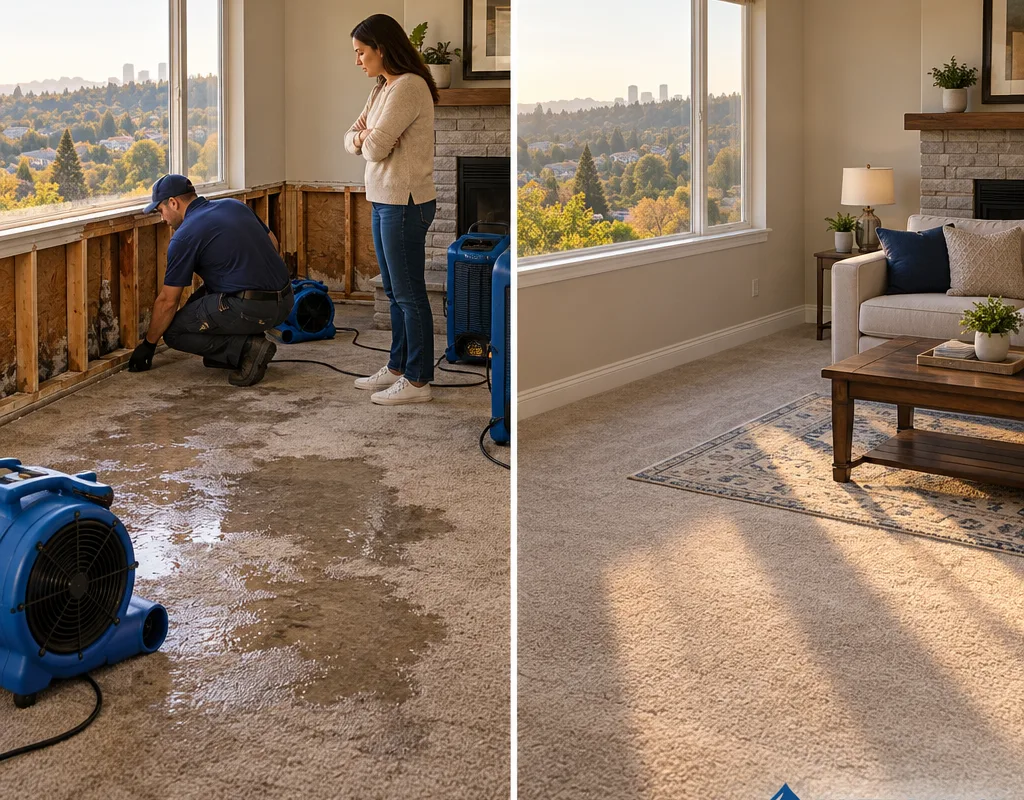
Drying structural materials
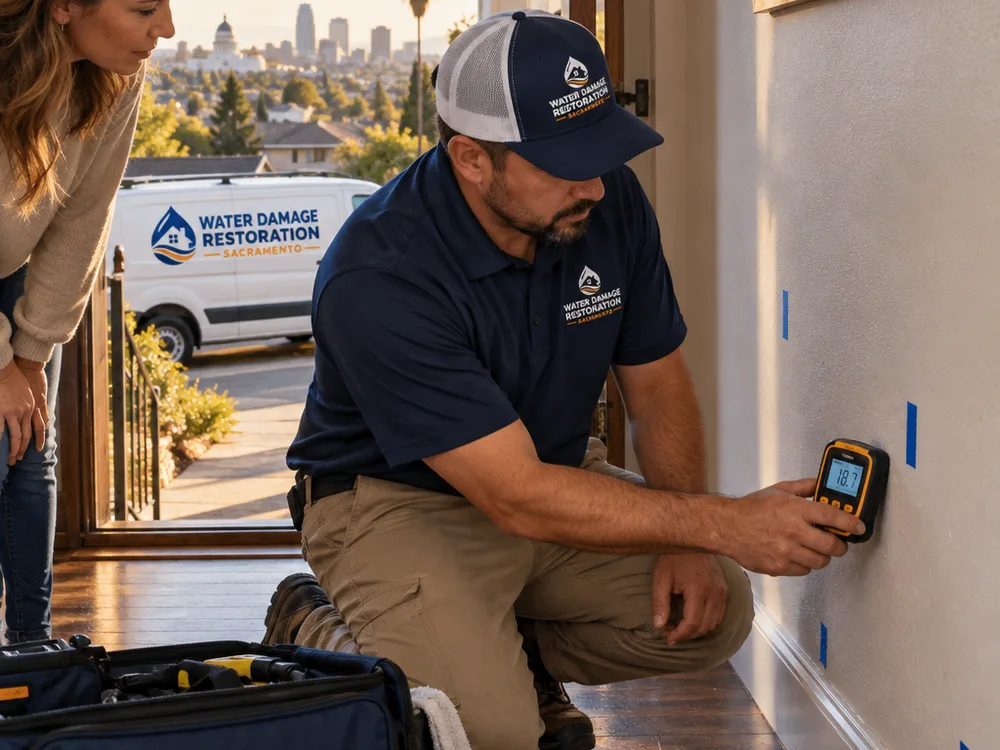
Drywall, framing, subfloor, and sheathing can hold moisture out of sight. We track drying with moisture readings so materials are dry before repairs close everything back in.
Serving Sacramento, California & surrounding areas
24/7 Emergency Response
Water Damage Restoration · Lincoln
When water gets into walls, floors, or cabinets, time matters. Get fast mitigation, professional drying, and a clear repair plan for homes and businesses in Lincoln, CA.
Immediate Response
Water damage rarely stays in one spot. A small supply-line leak can wick through drywall and baseboards, soak subflooring, and show up in the next room a day later. If you are dealing with water damage Lincoln homeowners and property managers see after leaks, overflows, storms, or appliance failures, the goal is the same: stop the source, prevent secondary damage, dry the structure correctly, and document everything.
Water Damage Restoration Sacramento provides water damage restoration and water damage repair in Lincoln and the greater Sacramento region. Our team approaches each job like a trades job, not a quick cleanup: we inspect materials, use moisture mapping to define the wet footprint, set drying equipment based on psychrometrics (temperature, humidity, and moisture content), and outline what can be saved versus what must be removed.
If you want to understand how we handle a project end to end, we are water damage restoration specialists serving the Sacramento area who focus on practical scope, clear communication, and getting your property back to safe, usable condition.
Mitigation Details
Water mitigation Lincoln projects start with controlling the loss and stabilizing the building. That usually means shutting down the water source, addressing electrical safety, and removing water fast enough to prevent it from spreading deeper into materials.
Typical mitigation tasks include:
In Lincoln, a lot of damage calls come from everyday failures, not headline floods: refrigerator supply lines, washing machine hoses, water heater leaks, toilet overflows, and slow leaks under sinks. The right mitigation plan depends on the water category (clean, gray, or black), how long materials have been wet, and what the structure is made of (slab, crawlspace, raised foundation, engineered wood, and so on).
Restoration Scope
Drywall, framing, subfloor, and sheathing can hold moisture out of sight. We track drying with moisture readings so materials are dry before repairs close everything back in.
Water often hides under cabinets and behind dishwashers. We verify whether toe-kicks, end panels, and subflooring are impacted before deciding on repair versus removal.
Carpet, pad, laminate, and engineered wood all respond differently to water. We separate what can be dried in place from what will delaminate or cup and needs replacement.
When water comes from above, it can travel along joists and light fixtures. We open only what is necessary to dry cavities safely and prevent hidden mold growth.
For offices and small businesses, we prioritize safety, documentation, and getting critical areas dry so you can return to operation as soon as conditions allow.
Restoration Process
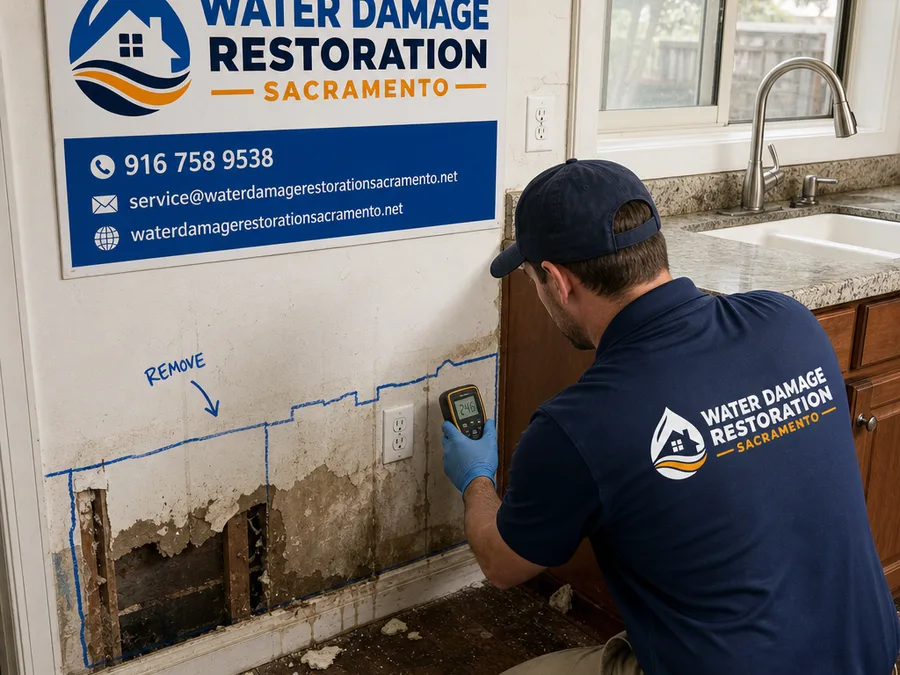
We identify where the water started, where it traveled, and what materials are affected. Moisture readings and thermal imaging (when appropriate) help define the scope beyond what you can see.
Extraction comes first. If materials are saturated or contaminated, we remove the minimum needed to stop wicking and allow airflow into cavities.
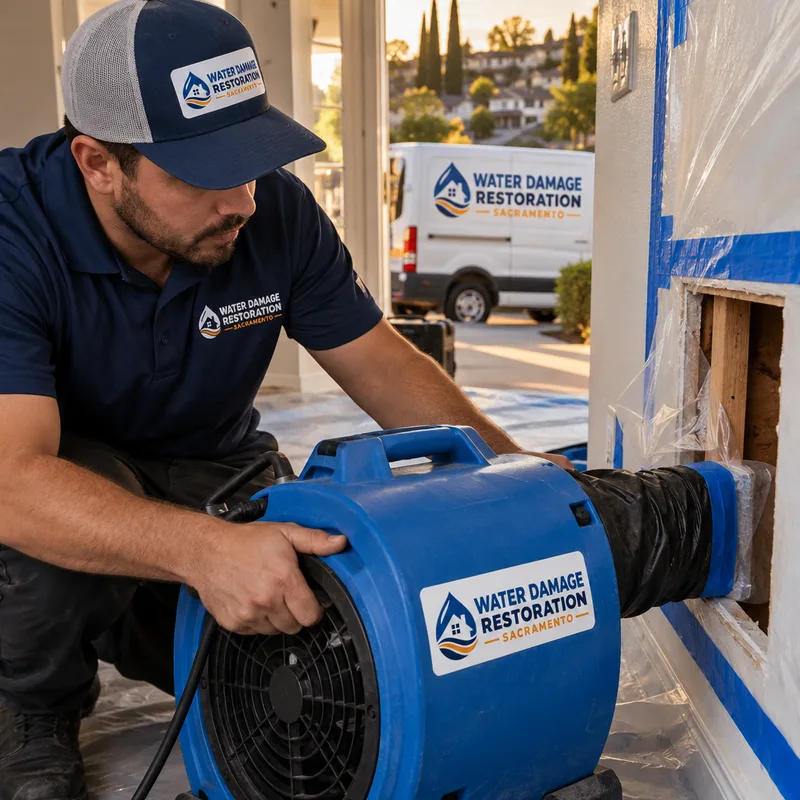
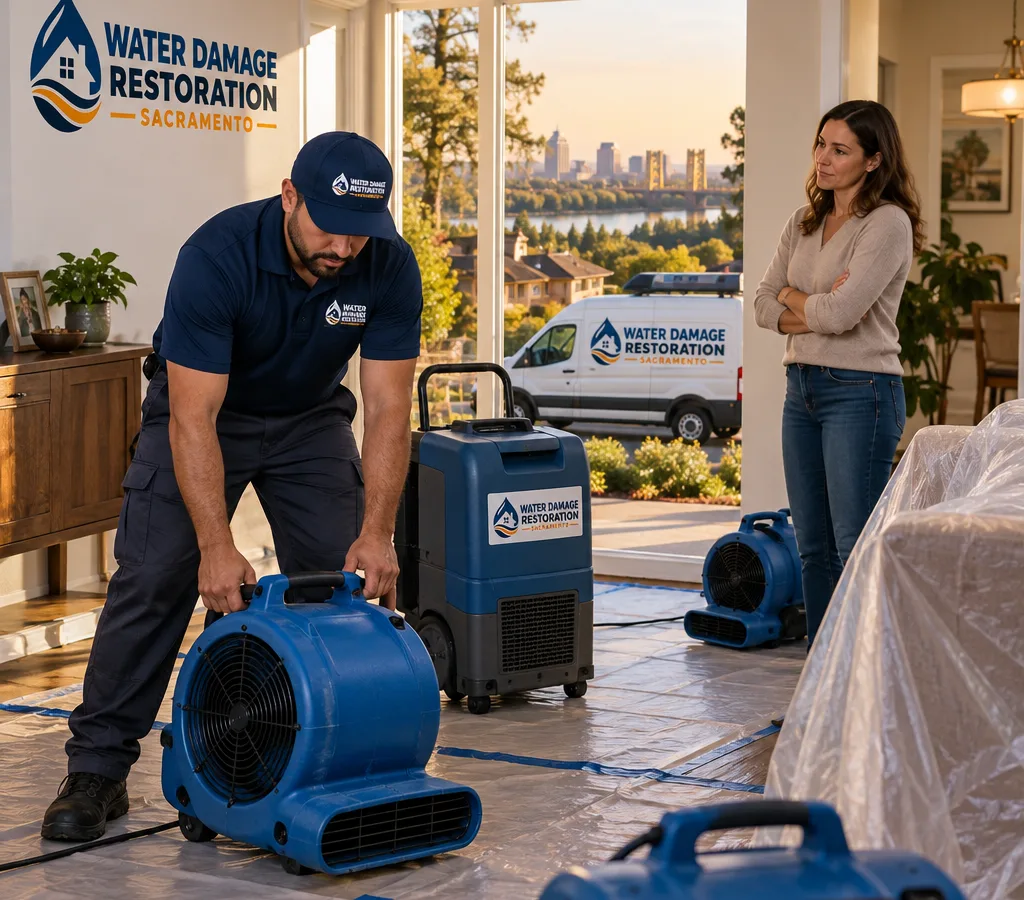
We place air movers and dehumidifiers based on the size of the wet area and the target humidity conditions. We also protect unaffected areas with floor covering and careful routing of cords and hoses.
Drying is not set-and-forget. We re-check moisture content and relative humidity, then adjust equipment placement, containment, or removal areas to keep progress moving.
Once the structure is dry, we document what needs repair (drywall, paint, trim, flooring, cabinets). You get a written scope so the rebuild stays organized and predictable.
Cost Guidance
Water damage restoration in Lincoln typically ranges from about $1,200 to $6,500 for many residential losses, while larger multi-room drying and rebuild projects can run $8,000 to $25,000+ depending on how far water traveled and what materials were affected. A single-room extraction and drying setup is often at the lower end; significant demolition, cabinet removal, or flooring replacement pushes costs up.
Final pricing depends on the water category (clean vs. contaminated), square footage, drying days, equipment needs, access (crawlspace vs. slab), and the amount of repair work required after mitigation. Exact cost is confirmed after an on-site inspection and moisture mapping.
If you are seeing staining, bubbling paint, warped flooring, or musty odor after a leak, start with a moisture inspection. A clear drying and repair scope early is the easiest way to prevent the project from expanding later.
Call for Emergency HelpFrequently Asked Questions
Start mitigation immediately once the water source is stopped, because wet drywall, insulation, and flooring can trap moisture and spread damage within hours. Even when a surface looks dry, cavities and subflooring may still be wet, so an inspection and moisture mapping are the right first step.
Water damage restoration focuses on drying, cleaning, and stabilizing the structure, while water damage repair is the rebuild work that puts the property back together (drywall, paint, trim, flooring, cabinets). Most projects need both phases, and you get better results when the repair scope is based on documented moisture readings, not guesswork.
Sometimes, yes, but only if materials are not contaminated and drying conditions can be created. We decide based on moisture levels, how long materials were wet, and what is behind the surface (insulation, vapor barriers, multiple layers). When removal is necessary, we keep it targeted so drying is effective and repairs stay contained.
Yes, but contaminated water losses require different procedures than clean-water leaks, including controlled removal of porous materials and stricter cleaning steps. If water came from a toilet overflow beyond the bowl, a backed-up drain, or ground intrusion, tell us right away so the right safety approach is used from the start.
Many residential drying jobs take about 3 to 5 days, but the timeline depends on the materials, how saturated they are, and how well the space can be conditioned (HVAC operation, temperature, airflow). We monitor progress with moisture readings and adjust equipment so drying stays on track.
Shut off the water source if possible, avoid using electrical outlets in wet areas, and move small valuables out of standing water if it is safe. If you can, take a few photos of the source and affected rooms for documentation, then leave wet building materials alone until they can be assessed for the right drying approach.
Start With an Inspection
Describe what happened and what areas are wet, and we will walk you through the next steps, starting with inspection, mitigation, and a written plan for drying and repair.