Source control first
If a supply line, valve, or appliance is still leaking, drying equipment will not solve the problem. We help confirm the water is stopped before drying starts.
Serving Sacramento, California & surrounding areas
24/7 Emergency Response
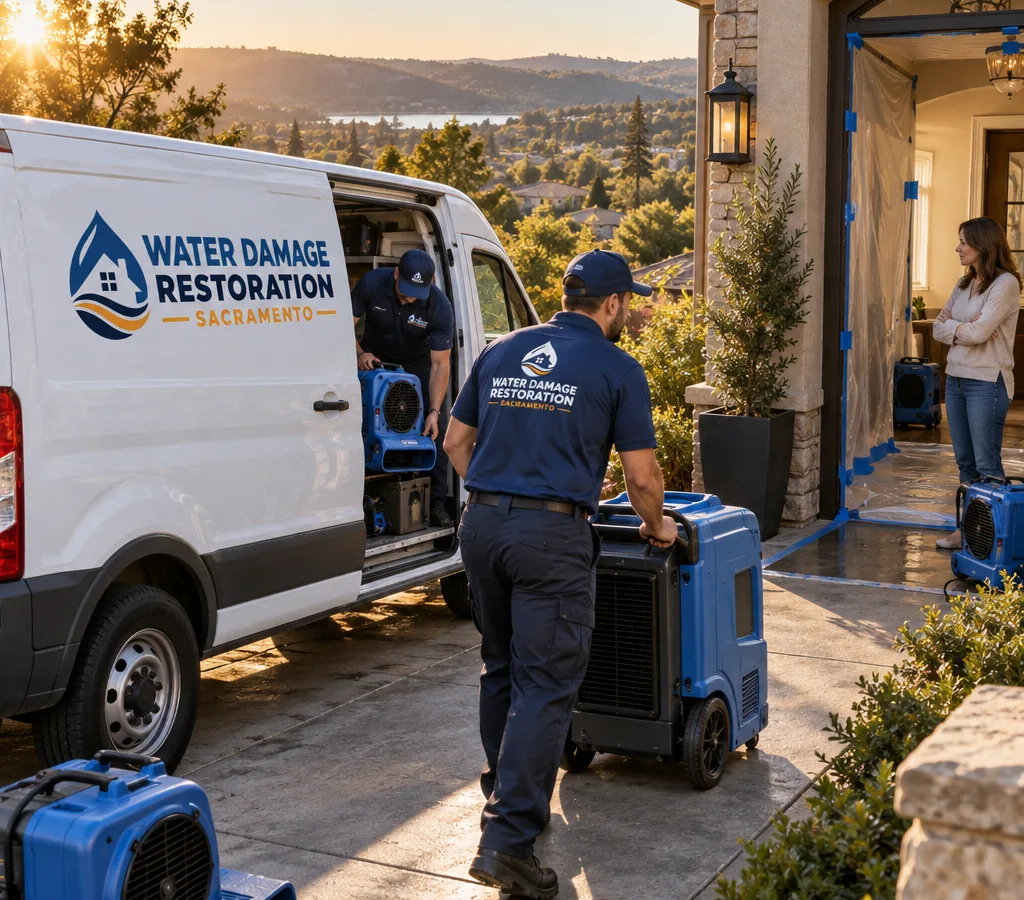
Water Damage Restoration · Granite Bay
When water gets into floors, walls, or cabinets, every hour matters. Get a clear plan for water removal, drying, and repairs so your home is protected and the damage does not spread.
Immediate Response
If you are searching for granite bay water damage restoration, you are usually dealing with a leak that will not wait: a supply line under a sink, a failed water heater, an overflowing tub, or a burst pipe that soaked drywall and flooring. Our job is to stop the spread, remove water, dry the structure, and guide the rebuild so you do not end up with warped floors, loose baseboards, or hidden moisture.
We handle residential and light commercial water damage in Granite Bay as part of our Sacramento-area restoration services. We document conditions, communicate what we found, and set drying equipment based on measurements, not guesswork. You get a written scope, realistic timelines, and a straightforward explanation of what needs to happen next.
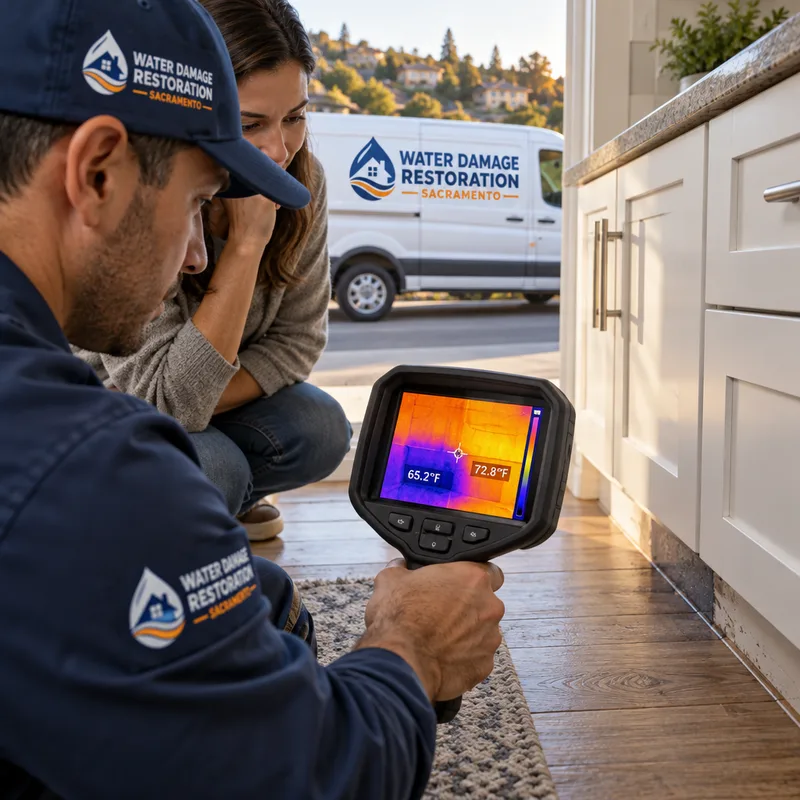
Water damage in Granite Bay often shows up in finished spaces where water can travel. It can wick up drywall, move under floating floors, and pool in toe-kicks, closets, and behind vanities. A proper response starts with moisture mapping—not just visible wet spots—so drying is targeted and complete.
Water Removal and Drying
A full water damage restoration granite bay project is more than vacuuming up water. The goal is to dry the building materials to an appropriate level, prevent secondary damage, and restore the area safely.
Typical scope options include:
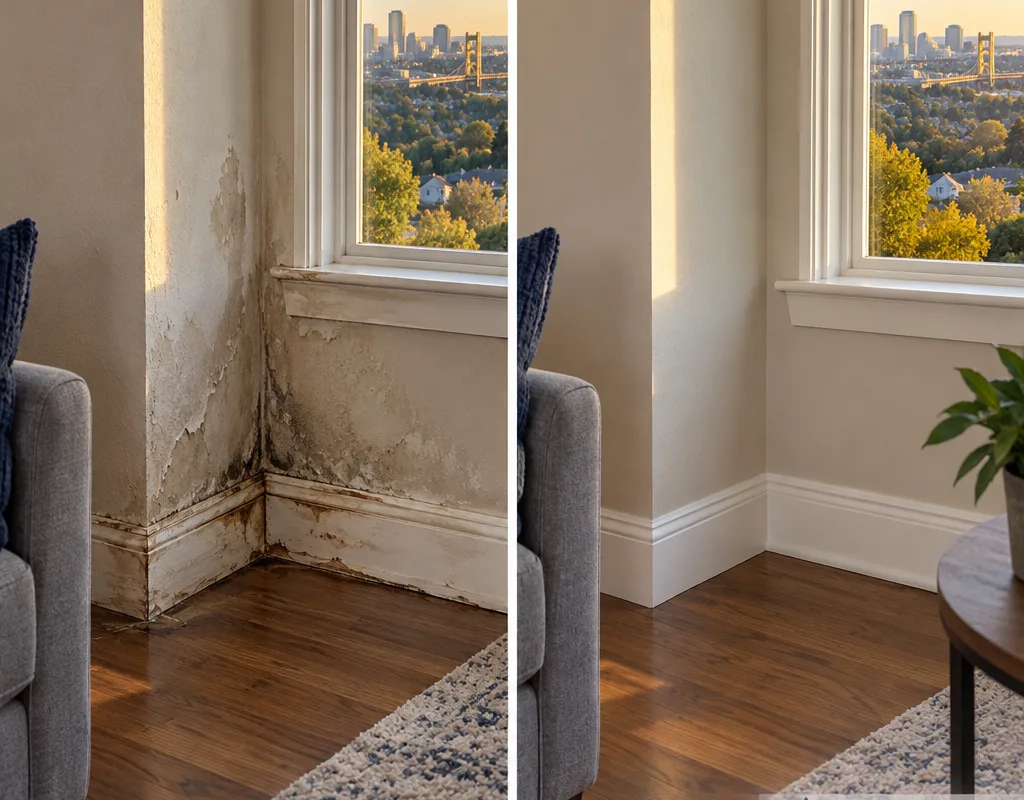
If you have visible wet drywall, bubbling paint, cupped wood planks, or a musty smell that developed after a leak, that is a sign the water has moved beyond the surface. Water damage restoration granite bay work is about finding that migration early and drying it correctly.
Request Emergency Service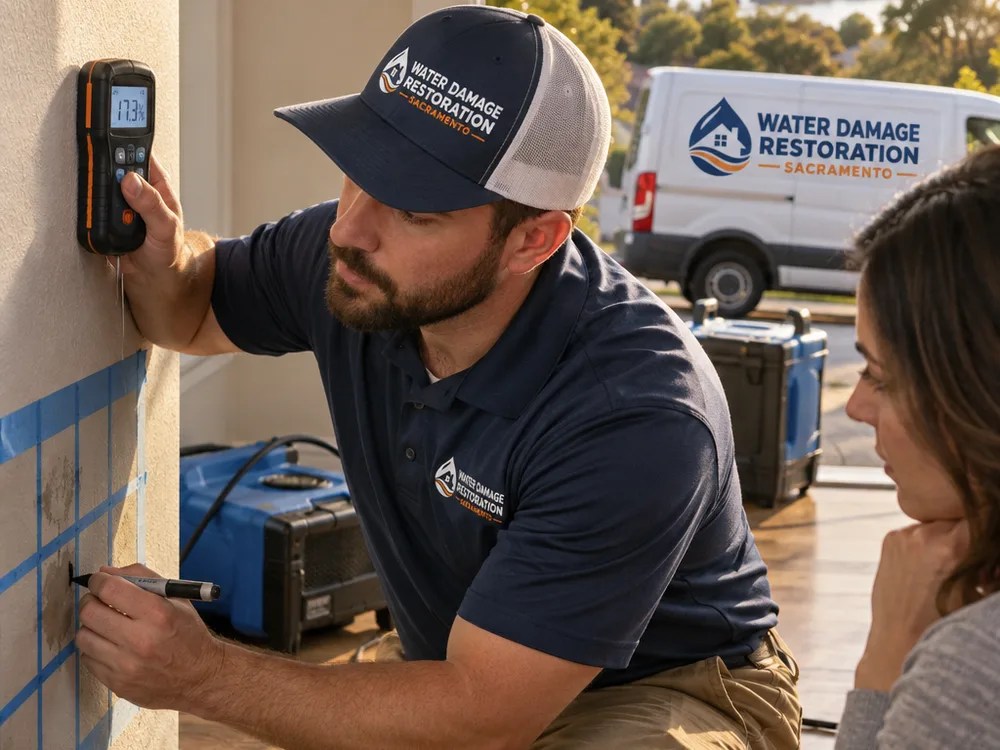
Operational Safeguards
If a supply line, valve, or appliance is still leaking, drying equipment will not solve the problem. We help confirm the water is stopped before drying starts.
Not all water is the same. We explain whether the loss behaves like clean water, gray water, or contaminated water so cleaning and material decisions match the risk.
We use moisture readings to set equipment and to confirm progress. Drying decisions are based on what the structure is doing, not on the clock.
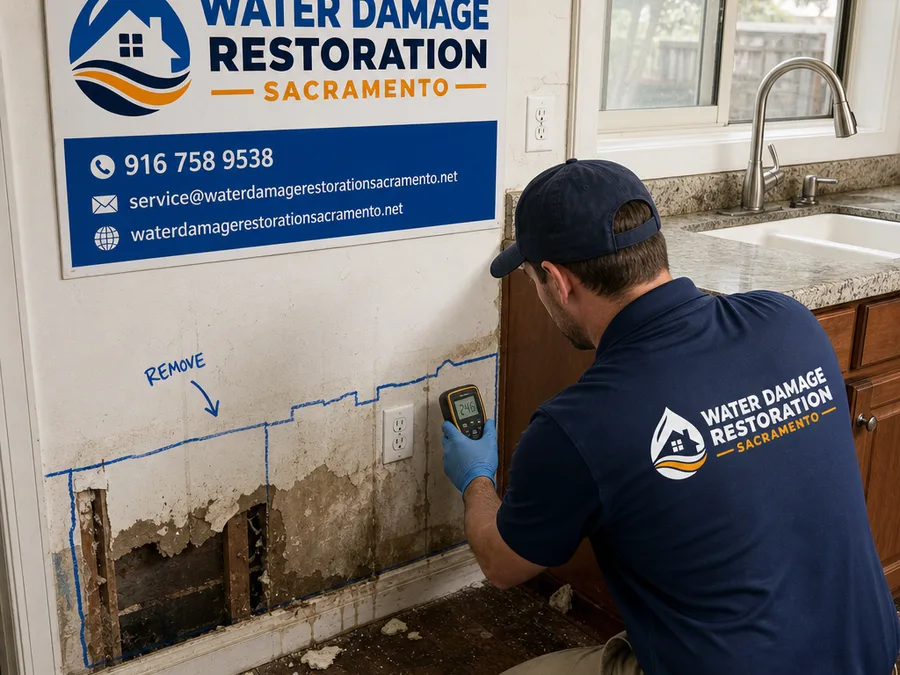
When removal is necessary, we keep it focused. That can mean taking baseboards and creating access points rather than tearing out whole rooms.
Photos, readings, and a written scope make it easier to understand what happened and what repairs are reasonable, especially when insurance is involved.
Containment, floor protection, and a plan for noise and traffic helps families stay safe and functional while drying and repairs are underway.
Drying Process
We start by identifying the water source and how far moisture has traveled. We check common migration paths: under flooring edges, behind baseboards, inside adjacent closets, and below the affected area when there is a second story.
We extract water and remove saturated materials that cannot be dried appropriately. If needed, we set containment to protect unaffected rooms and to control airflow and dust.
We place air movers and dehumidifiers based on the size of the wet area and the materials involved. Hardwood, engineered wood, drywall, and insulation all behave differently and affect the drying plan.
We re-check moisture levels, adjust equipment placement, and confirm drying is moving in the right direction. This step is where a rushed job often fails, because hidden areas may still be wet.
Once dry, we address odor and residue, then finalize the repair scope. Repairs can include drywall patches, texture matching, paint blending, baseboards, and flooring transitions.
Cost Guidance
Granite Bay water damage restoration typically ranges from about $1,500 to $8,000+, with small clean-water losses at the low end and larger multi-room losses with demolition and repairs at the high end. For example, a contained toilet overflow with limited spread may stay closer to $1,500 to $3,500, while a kitchen supply line leak that affects cabinets, drywall, and flooring often lands in the $4,000 to $12,000+ range.
Final cost depends on how far water traveled, the water category (clean vs gray/contaminated), required demolition, drying days/equipment, and the type of finishes to restore. Exact pricing is confirmed after an on-site inspection and moisture mapping.
Field Conditions
Homeowner Experiences
“A supply line under our sink leaked and soaked the cabinets and the adjacent room. They mapped the moisture, explained what had to be opened up, and the drying plan actually made sense. The repairs blended in and you cannot tell anything happened.”
“We thought we had it handled after mopping up, but the floor started cupping a few days later. They found moisture under the flooring and behind the baseboards and got it dried out before it turned into a bigger tear-out.”
Frequently Asked Questions
You should start as soon as the water source is stopped because moisture can migrate into drywall edges, insulation, and flooring seams quickly. Even when surfaces look dry, water can sit under floating floors or behind baseboards, which is why an inspection with moisture mapping is important early.
Yes, we can handle the full path from water removal and structural drying through the repair scope that puts the room back together. That can include drywall and texture, paint blending, baseboards, and coordinating flooring transitions when affected materials cannot be saved.
Common signs include bubbling paint, soft drywall near the floor, a musty smell that appears days after a leak, cupped or crowning wood floors, and baseboards pulling away. Those symptoms often mean the water traveled into cavities or under flooring where it is not visible.
Some hardwood and engineered wood floors can be dried successfully, but it depends on how long they were wet, how much water reached the subfloor, and whether the floor system allows controlled airflow. We evaluate moisture levels and movement in the boards, then recommend drying, selective replacement, or full replacement based on what the material is doing.
Drying often takes several days, but the real timeline depends on material type and how far water traveled. Drywall, insulation, and layered assemblies can hold moisture longer than you would expect, so we base the timeline on moisture readings and drying progress rather than a fixed number of days.
Coverage depends on the cause and your specific policy, but many sudden, accidental losses like a burst pipe are commonly covered while long-term leaks may be limited or excluded. We document conditions with photos and moisture readings and can provide a clear scope that helps support the claim decision.
Start With an Inspection
Tell us what happened and what areas are wet. We will schedule an inspection, map the moisture, and lay out the safest path from cleanup through restoration for your Granite Bay property.