Emergency water extraction
Rapid removal using extraction wands and portable or truck-mounted equipment where access allows. Less standing water means less wicking into drywall and trim.
Serving Sacramento, California & surrounding areas
24/7 Emergency Response

Water Damage Restoration · Fair Oaks
When water gets into floors, walls, or cabinets, every hour matters. Get rapid onsite help, a clear drying plan, and restoration work that's documented and built to last.
Immediate Response
If you're searching for water damage restoration Fair Oaks homeowners can rely on, you're likely dealing with a leak, overflow, or sudden pipe failure that can't wait. The goal is simple: stop the source, remove water, dry the structure correctly, and repair what's been damaged before mold and swelling spread.
Water Damage Restoration Sacramento provides water mitigation experts with field-proven equipment and a straightforward process. We work in and around Fair Oaks and the Sacramento region, and we focus on what protects your home long-term: verified dry standards—not guesswork—careful containment when materials come out, and documentation you can use for insurance conversations.
Whether the water is clean, gray, or contaminated, the approach changes. A safe and effective restoration starts with proper water category assessment, moisture mapping, and a drying plan that matches materials such as drywall, baseboards, hardwood, subfloor, and insulation.
Restoration Scope
Rapid removal using extraction wands and portable or truck-mounted equipment where access allows. Less standing water means less wicking into drywall and trim.
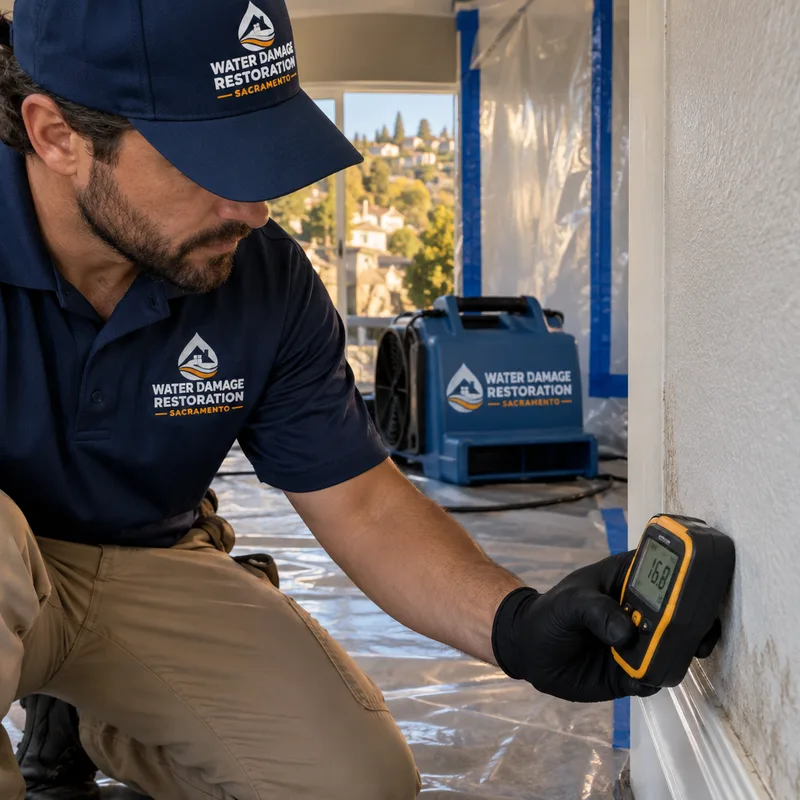
Air movers and dehumidifiers are set based on the affected area and materials present. We track progress with moisture meters and adjust equipment as drying conditions change.
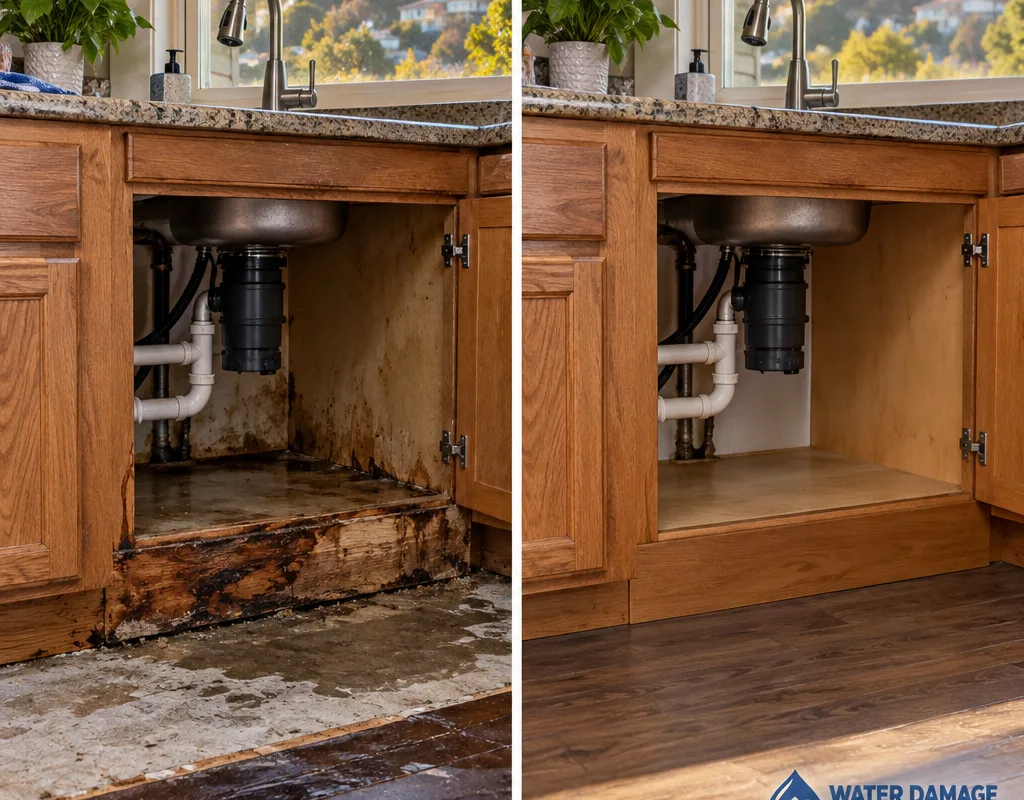
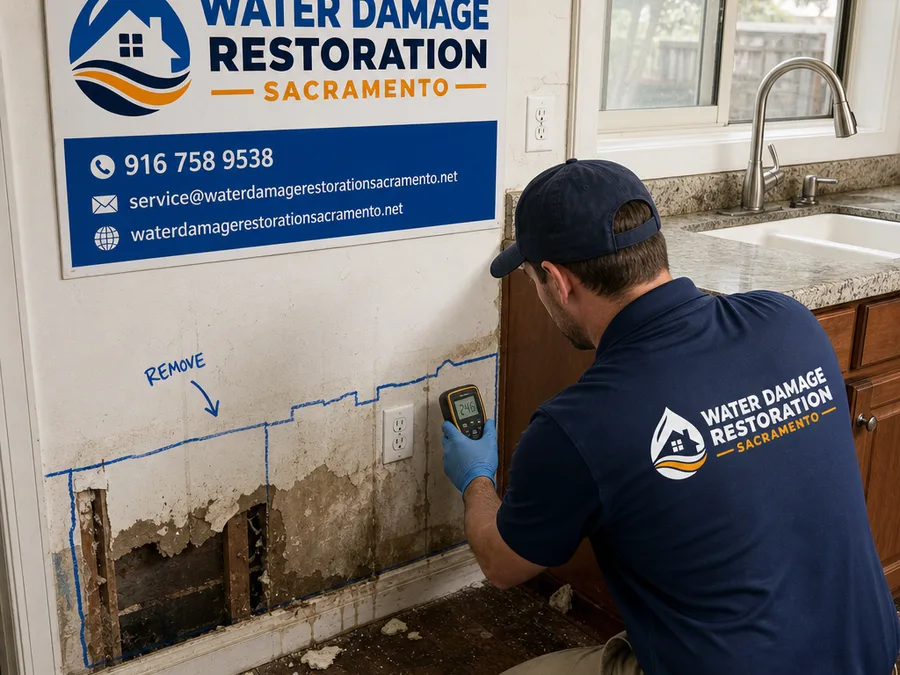
When wet drywall, insulation, or flooring can't dry safely, we remove only what's necessary to stop trapped moisture behind walls and under cabinets.
For gray or contaminated water situations, we clean and treat impacted surfaces using appropriate antimicrobials, with extra attention to porous materials and framing.
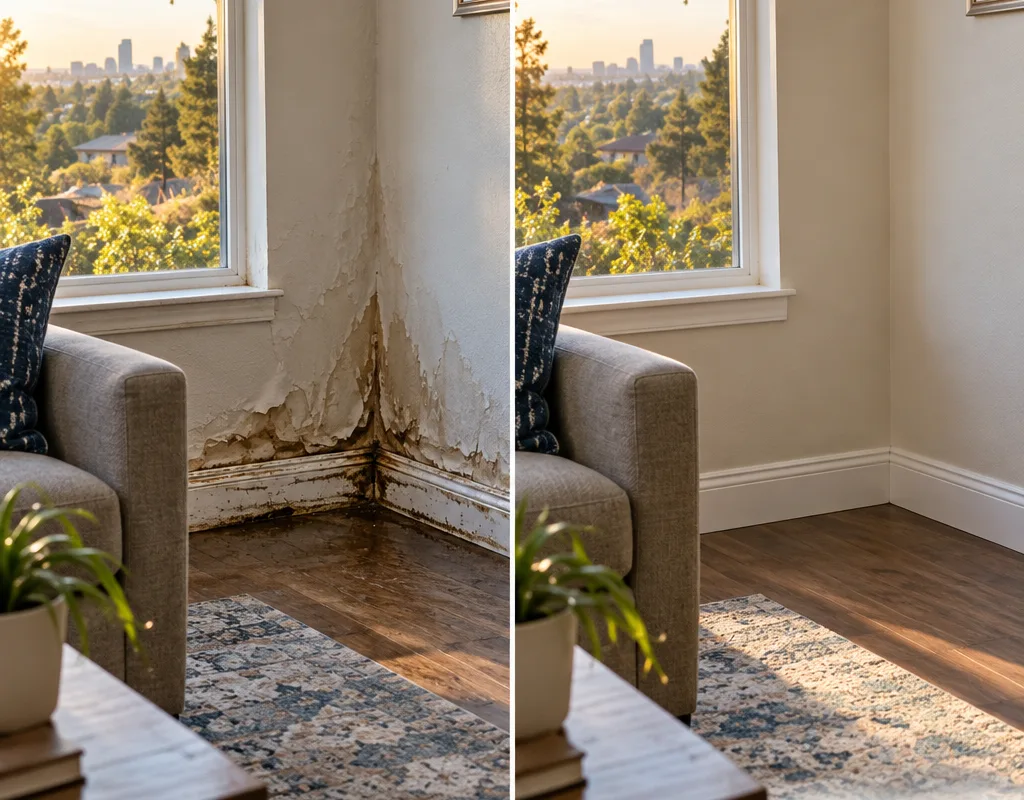
After drying is verified, we plan the repairs: drywall, baseboards, paint, flooring transitions, and cabinet toe-kicks, so the space goes back together cleanly.
Measured Drying
Water damage is rarely limited to what you see. In many homes, water travels along base plates, under floating floors, and into wall cavities through insulation and penetrations. If drying is rushed or incomplete, problems often show up later as cupped wood, loose flooring, staining, or odor.
We start with moisture mapping: checking multiple points and materials to understand how far the water moved. Then we build a drying strategy around psychrometrics—temperature, humidity, and evaporation rate—so the structure dries efficiently without damaging finishes. In practice, that means the right dehumidifier type, correct airflow placement, and follow-up monitoring until readings show the affected materials are back to an acceptable dry condition.
Fair Oaks properties range from older construction to remodeled interiors with layered flooring and built-ins. Those layers can trap moisture. When we recommend removing a section of drywall or pulling a strip of flooring, it's because access is often the difference between a verifiable dry-out and moisture sealed inside the assembly.
Response Process
We identify the water source, look for electrical or slip hazards, and determine if the water is clean, gray, or contaminated so the work plan matches the risk.
We check floors, lower walls, cabinets, and adjacent rooms. Thermal imaging can help locate suspect areas, then moisture meters confirm what's actually wet.
We remove standing water, then set air movers and dehumidifiers based on the space and affected materials. Containment may be used to keep dust and humidity where it belongs.
If materials can't be dried safely, we remove them in a controlled way. We clean and treat impacted framing and surfaces, especially after gray or contaminated water events.
We monitor until moisture readings indicate drying goals are met. Then we plan repairs so finishes, flooring transitions, and trim go back together correctly.
Cost Guidance
Water damage restoration in Fair Oaks typically ranges from about $1,500 to $8,000+, with small localized leaks often landing on the lower end and larger multi-room losses with demolition and rebuild on the higher end. A straightforward dry-out of one room is usually less than a project involving damaged hardwood, cabinetry, or water that reached wall cavities.
Final pricing depends on the size of the affected area, water category—clean versus gray or contaminated—how long materials stayed wet, access such as crawl spaces, tight bathrooms, and built-ins, and how much removal and rebuilding is required. The exact scope and cost are confirmed after an onsite inspection and moisture mapping.
Project Context
Homeowner Experiences
“A supply line let go while we were out and water ran into the hallway and two bedrooms. The crew explained what had to come out, dried everything with daily checks, and the repairs looked clean. The written updates helped a lot with insurance.”
“We had an upstairs overflow that soaked the ceiling below. They found wet spots we didn't see, opened up only what was necessary, and kept the house livable during the dry-out. No lingering odor afterwards.”
Frequently Asked Questions
Restoration should start as soon as it's safe because water can wick into drywall, insulation, and flooring quickly. Even when the surface looks dry, moisture can be trapped in wall cavities and under floors, so early extraction and drying reduces the amount of demolition later.
Sometimes, yes, but only if moisture readings show the assembly can dry effectively without trapping water. If insulation is saturated, water reached behind cabinets, or the wet area is enclosed with limited airflow, selective removal is often the safer path so drying can be verified.
The difference is the level of cleaning, disposal, and safety controls required. Clean water from a supply line may allow more materials to be dried, while gray or contaminated water, such as sewage backups, often requires removing porous materials and disinfecting exposed framing and surfaces.
Drying commonly takes several days, and rebuild timing depends on what was affected and what needs replacement. A small leak might dry in a few days, while projects involving multiple rooms, cabinets, or flooring replacement take longer because materials have to be dried, verified, and then rebuilt in phases.
Yes. We document the scope with photos, moisture readings, and notes on equipment placement and monitoring, which helps support the cause and extent of loss. If your insurer has specific requirements, we can align our reporting to what they request.
If it's safe, stop the water source and shut off power to affected areas if there's standing water near outlets or appliances. Move small items and rugs away from wet zones, and avoid running HVAC if it could spread humidity or odor. Leave wet materials in place until they're assessed so the full extent can be mapped accurately.
Start the Drying Plan
Tell us what happened and what areas were affected. We'll guide the next steps, inspect the damage, and put a drying and restoration plan in writing before major work begins.