Inspection and moisture mapping
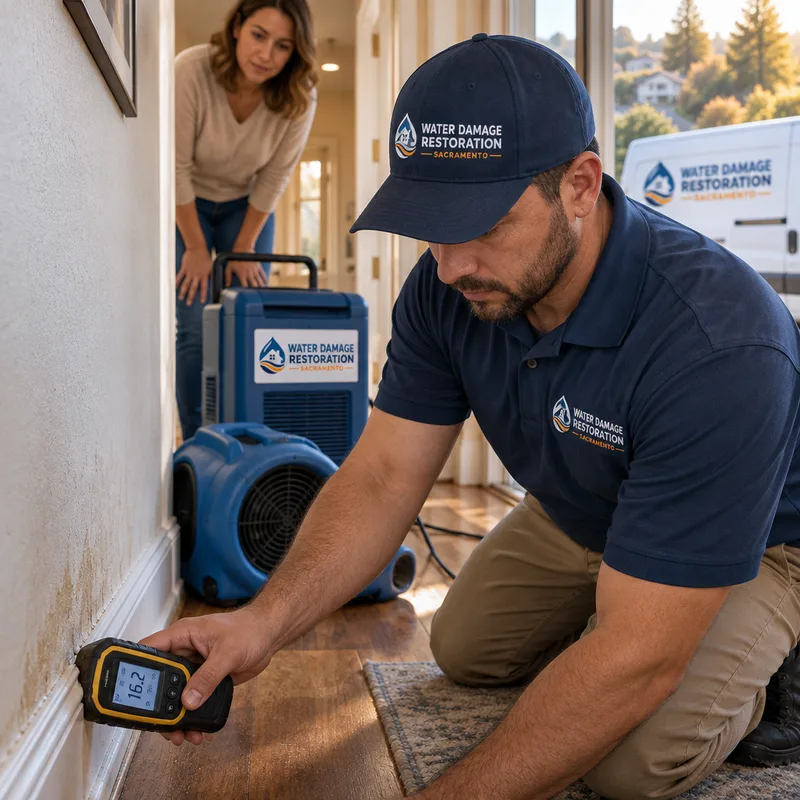
We trace where water traveled, check adjacent rooms, and identify wet materials with moisture meters and thermal imaging as appropriate.
Serving Sacramento, California & surrounding areas
24/7 Emergency Response
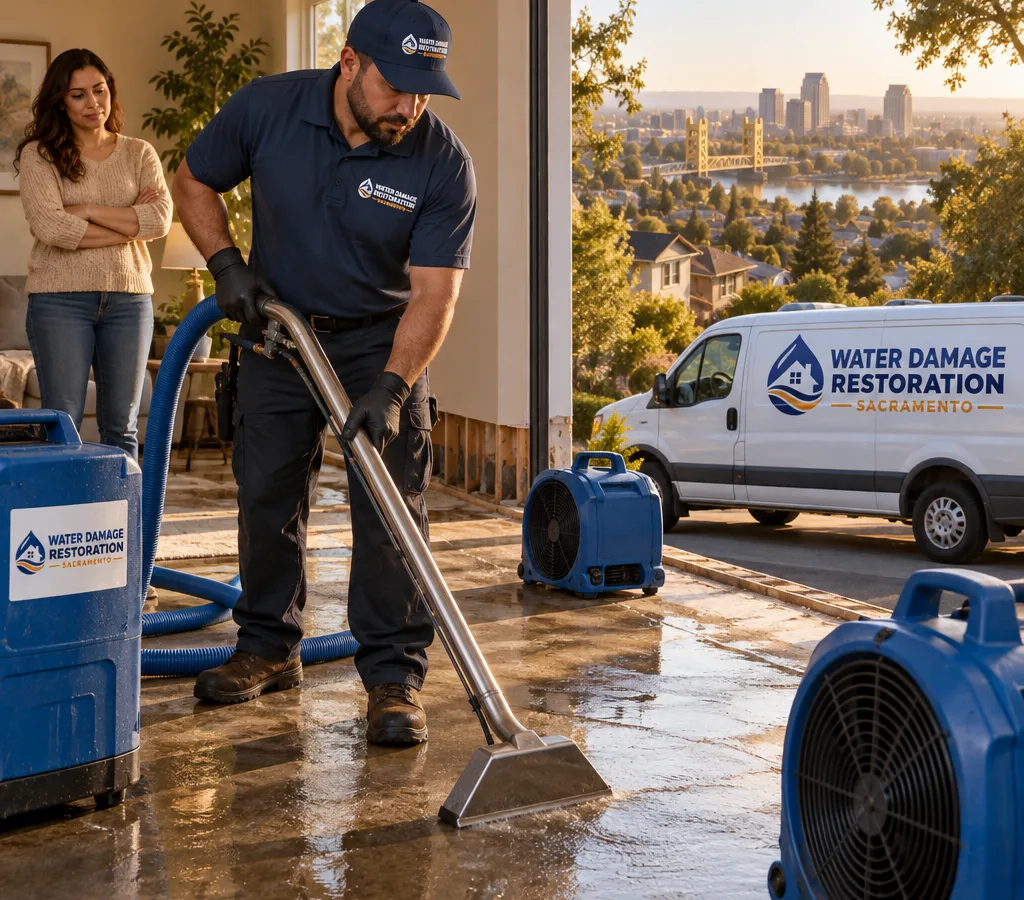
Water Damage Restoration · El Dorado Hills
Fast on-site response for leaks, floods, and wet building materials, with professional drying, moisture tracking, and clear documentation for your records.
Immediate Response
Water damage in El Dorado Hills can turn from a wet floor into warped wood, swollen drywall, and hidden moisture in a day or two. If you are dealing with a supply line break, overflow, rain intrusion, or an appliance leak, the goal is the same: remove water quickly, dry the structure, and verify that moisture levels are back to normal before repairs begin.
We handle water damage El Dorado Hills cleanup with a restoration-first approach: inspection, extraction, controlled drying, and documented moisture readings. You get a written scope, photos, and a clear plan so you can make decisions with real information.
Water Damage Restoration Sacramento is a water damage restoration company serving Sacramento that regularly responds into El Dorado Hills when property owners need urgent drying and water mitigation done the right way.
First Steps
Start with safety. If water is near outlets, light fixtures, or a ceiling that is sagging, keep people out of the area until it is evaluated. If you can stop the source safely, do it. Then move small valuables off wet floors and blot standing water with towels only if it is safe.
Avoid common missteps that slow down recovery. Do not run household fans at random without a plan; moving air the wrong way can push moisture deeper into wall cavities. Do not close up wet materials behind baseboards or fresh paint. And do not assume carpet is fine because the surface feels dry. Moisture can remain in pad, tack strip, and subfloor.
For El Dorado Hills water damage, the fastest path to normal is a professional moisture map, targeted extraction, and a drying setup sized to the materials and the room layout.
Restoration Scope
We trace where water traveled, check adjacent rooms, and identify wet materials with moisture meters and thermal imaging as appropriate.
We remove standing water and, when needed, perform selective removal of wet drywall, insulation, or flooring to allow proper drying.
Air movers and professional dehumidifiers are set up to hit the correct drying goals for wood framing, drywall, and subfloors.
Moisture levels are checked and logged so the drying plan can be adjusted instead of guessing when it is done.
We clean affected areas and address odor at the source so smells do not come back after the equipment is removed.
Photos, readings, and a clear scope help support your records, whether you are filing a claim or paying out of pocket.
Response Process
We identify the water source category, check for electrical or ceiling hazards, and confirm which rooms and assemblies are affected.
We extract standing water and set initial equipment to stop migration into adjacent areas and lower humidity fast.
Hardwood, carpet, drywall, cabinets, and crawlspaces all dry differently. We choose equipment and placement to match what is actually wet.
We track moisture content and relative humidity, then adjust airflow, dehumidification, and containment until drying goals are met.
You receive documentation and a straightforward summary of what was done, what is dry, and what repair work may still be needed.
Cost Guidance
Water damage restoration in El Dorado Hills typically ranges from about $1,200 to $6,500+, depending on how far water traveled and how much material has to be removed and dried. A small, contained leak with basic extraction and drying may land in the lower end, while multi-room saturation, hardwood removal, or cabinet toe-kick and drywall work can push costs higher.
Final pricing is driven by the affected square footage, water category (clean vs. contaminated), equipment days (dehumidifiers and air movers), access to wet cavities, and whether contents handling is needed. The exact cost is confirmed after an on-site inspection and moisture map.
Homeowner Experiences
“A supply line leaked while we were away and soaked the hallway and part of the living room. The crew showed up fast, pulled baseboards where needed, set up drying, and came back to check readings until everything tested dry. The documentation made the whole process easier.”
“We thought we had the water cleaned up, but a musty smell started a few days later. They found moisture behind the drywall and under the flooring, dried it properly, and the odor went away.”
Frequently Asked Questions
You should start professional drying as soon as possible, ideally the same day, because moisture can wick into drywall and framing quickly and raise indoor humidity. Early extraction and dehumidification reduce the amount of material that has to be removed and help prevent odor and microbial growth.
Some materials can be dried in place, but trapped moisture behind finishes often requires selective removal for proper airflow and verification. The decision is based on moisture readings, the type of assembly (for example, insulated exterior walls), and whether water reached the back side of drywall, underlayment, or cabinet bases.
Most drying phases take about 3 to 5 days, but timelines vary with the amount of water, the number of wet rooms, and materials like hardwood and plaster. You will get updated moisture readings during monitoring visits so the end date is based on measured dryness, not guesswork.
Yes. We provide photos, equipment logs, and moisture documentation that typically supports a claim file and helps explain why drying took a certain number of days. You stay in control of claim decisions; we focus on producing clean, consistent documentation of the work performed.
Clean water is typically from a broken supply line or faucet, while contaminated water may involve a toilet backup, sewage, or water that sat long enough to become unsanitary. The category matters because it changes safety procedures, cleaning steps, and what porous materials can be saved.
Yes. Water loss response is similar across residential and commercial spaces, but commercial jobs often need tighter containment, after-hours scheduling, and more documentation for tenants or property managers. The drying plan is built around the building layout and what materials are affected.
Start With an Assessment
Tell us what happened and what areas are wet. We will schedule an on-site assessment, start drying with the right equipment, and document moisture levels so you can move forward with confidence.